Mirathor Quellith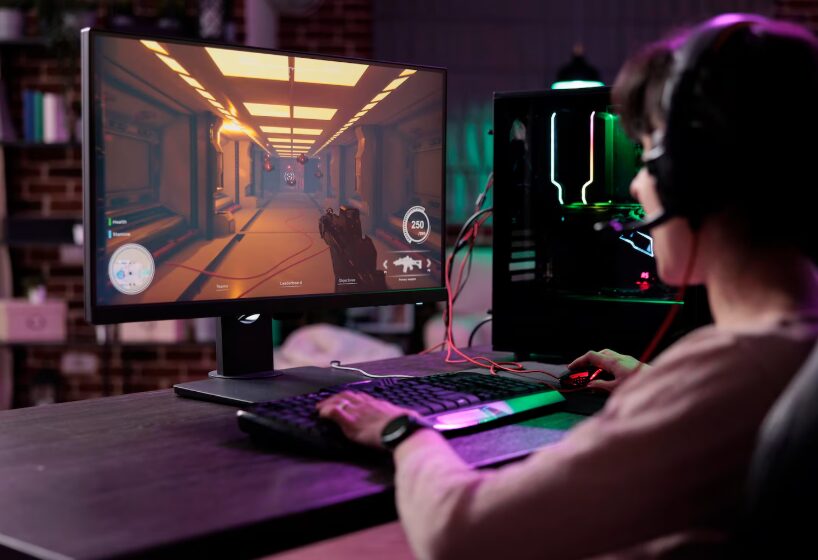
The romanticized narrative of a teenager playing video games late into the night and suddenly being discovered by a major talent scout belongs firmly to the past. As we navigate through 2026, the global esports industry has matured into a highly structured, multi-billion-dollar ecosystem that rivals traditional sports in both revenue and viewership. Becoming a professional gamer today requires vastly more than just having fast reflexes or a high rank on a public leaderboard.
Modern esports organizations operate like elite athletic franchises. They boast dedicated training facilities, rosters of specialized coaches, and rigorous recruitment pipelines. The gap between a top-tier amateur and a contracted professional has widened into a chasm. To bridge that gap and secure a coveted spot on a tier-one roster, aspiring players must cultivate a holistic skill set that blends extreme technical proficiency with physical endurance, psychological resilience, and business acumen.
The Core Requirements: Moving Beyond Casual Play
The foundation of any professional esports career is, undeniably, an elite understanding of the game. However, the way players train and refine these skills in 2026 is driven by intense methodology and advanced technology.
To stand out in highly saturated competitive environments, a prospective pro must master the following elements:
- Algorithmic and AI-Assisted Training: Amateurs simply play the game; professionals study it. Aspiring pros utilize AI-driven analytics software to review their VODs (Video on Demand), identifying micro-inefficiencies in their pathing, crosshair placement, and resource management.
- Elite “Macro” Intelligence: While “micro” skills (aim, reflexes, Actions Per Minute) are the baseline, “macro” skills separate the good from the great. This involves a profound, chess-like understanding of map control, virtual economy, objective timers, and opponent psychology.
- Hyper-Adaptability to Meta Shifts: Developers frequently update their games with balance patches that completely alter how a game is played. A professional must be able to adapt their entire playstyle and learn new characters or weapons within days, not weeks.
- Flawless Communication Protocols: In team-based games, fragmented communication leads to defeat. Pros must master the art of delivering crisp, concise, and emotionally neutral callouts under extreme pressure, functioning as a synchronized unit rather than five individuals.
This rigorous, data-driven approach to competitive gaming requires a mind that constantly calculates risk, reward, and probability in real-time. An esports athlete does not merely react to the screen; they mathematically predict the opponent’s next move based on available data. Interestingly, this hyper-analytical mindset is not unique to digital arenas. It heavily mirrors the approach taken by modern sports analysts and enthusiasts. For instance, fans who look to elevate their engagement through football betting use a remarkably similar cognitive process. They study expected goals (xG), historical performance data, and tactical matchups to predict the likelihood of a specific outcome. Whether calculating the probability of a successful mid-lane ambush in League of Legends or forecasting the result of a Premier League derby, the reliance on statistical analysis and strategic foresight bridges the gap between traditional sports culture and the highly complex world of modern esports.
The Athlete’s Regimen: Physical and Mental Conditioning
One of the most significant shifts in the 2026 esports landscape is the absolute eradication of the “unhealthy gamer” stereotype. Organizations have realized that a player’s cognitive performance is directly tied to their physical well-being. A fraction of a second delay in reaction time, brought on by poor sleep or physical fatigue, can cost a team a world championship.
Today, the pathway to becoming a pro requires a strict physical regimen. Prospective players must proactively manage their physical health to prevent career-ending repetitive strain injuries (RSI), carpal tunnel syndrome, and chronic back pain. Elite teams employ in-house physiotherapists and nutritionists to ensure their rosters maintain optimal blood sugar levels and physical stamina during grueling eight-hour tournament days.
Equally important is psychological conditioning. The pressure of performing live in front of millions of online viewers, combined with the often-toxic nature of social media, creates a highly volatile mental environment. Aspiring pros must learn how to manage “tilt”—the emotional frustration that clouds judgment after a mistake. Sports psychologists are now standard members of coaching staffs, teaching players mindfulness, emotional compartmentalization, and cognitive reset techniques to ensure they can bounce back instantly from a devastating loss in a high-stakes series.
The Business of Gaming: Personal Branding and Content Creation
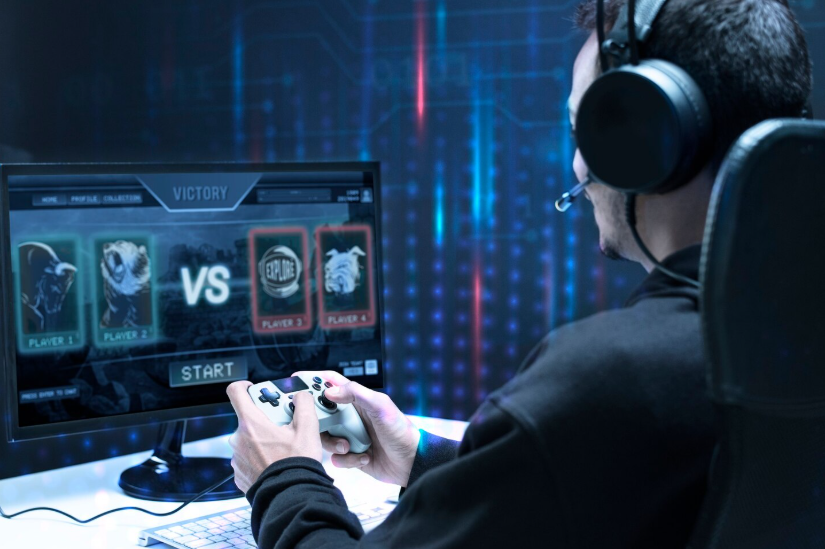
In the current era, being incredibly skilled at a video game is only half the job. Esports organizations are fundamentally media and entertainment companies. Their revenue relies heavily on sponsorships, merchandise sales, and viewership numbers. Consequently, when scouting new talent, organizations look for players who are not only mechanically gifted but also highly marketable.
To become a professional in 2026, a player must also be a content creator. Building a personal brand on platforms like Twitch, YouTube, or TikTok is virtually mandatory. A player who boasts a dedicated, engaged audience is vastly more attractive to an organization than a slightly more skilled player who operates in total obscurity. Organizations want charismatic individuals who can speak comfortably in post-match interviews, engage with fans on social media, and provide a return on investment through sheer star power. The modern esports pro is, by definition, a digital influencer.
The Pathway: Academies and Collegiate Pipelines
The route to the top has also formalized. Players no longer rely on climbing a random online ladder and hoping for a direct message from a CEO. The 2026 landscape is defined by structured pathways, heavily mirroring the traditional sports drafting system.
Collegiate esports programs have become a primary recruiting ground. Universities around the world now offer full-ride scholarships for talented players, providing them with a structured environment to develop their teamwork and media skills while earning a degree. Furthermore, major tier-one organizations operate dedicated “Academy” or “Path to Pro” rosters. These minor-league teams serve as incubators, allowing organizations to test a player’s attitude, coachability, and cultural fit before promoting them to the main stage.
Conclusion: A Marathon, Not a Sprint
Becoming a professional esports player in 2026 is an undertaking of monumental proportions. It is a career path that demands the discipline of an Olympic athlete, the analytical rigor of a data scientist, and the charisma of a mainstream entertainer.
The industry has evolved past the era of casual brilliance. For those willing to put in the hours—not just grinding matches, but studying tape, maintaining their physical health, and building a community—the rewards are extraordinary. It is a legitimate, lucrative, and globally respected profession, but attaining the title of “Pro” requires a level of holistic dedication that only a fraction of a percent of the global player base will ever truly master.