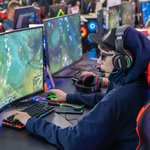
The Twitch Effect: How Streaming Culture Reshaped Every Kind of Live Competition
 Pernithia Galnith
Twitch didn't invent the idea of watching someone else play a game — people have done that since arcades existed. What it changed was what "watching" actually felt like. Back before livestreaming, spectating meant a recorded match, maybe a recap article, maybe some highlights if you caught them in time. All after the fact. Twitch flipped that: chat scrolling live, streamers actually reacting to what people are typing mid-match, viewers feeling like part of the room instead of onlookers checking in later. That change didn't stay boxed into gaming for long, either.
Once viewers got used to that format — live reactions, real-time chat, a host or player who actually responds to what's happening in the room — they started expecting it everywhere. Poker broadcasts added hole-card cams and live commentary that reacts to bets as they happen. Sports networks leaned harder into second-screen chat integration during big games. And somewhat less obviously, live-hosted casino formats picked up the same playbook — the surge in irish online casino platforms running live-streamed tables with real dealers and real-time chat is, in a lot of ways, the same Twitch-shaped expectation showing up in a completely different industry.
What Made the Twitch Format Work in the First Place
A few specific mechanics did most of the heavy lifting. Chat gave viewers a way to feel present without needing to actually play. Streamer personality turned what used to be anonymous gameplay footage into something closer to a running show with recurring characters. And the unedited, unscripted nature of it all built a kind of trust that polished, produced content struggles to match — viewers know nothing's been cut or reshot, so what they're seeing is genuinely what happened.
Esports organizations figured this out early and built entire broadcast strategies around it — desk segments that feel more like a sports pre-game show than a gaming stream, analysts who react in real time rather than delivering scripted breakdowns, and chat moderation systems built specifically to keep pace with audiences numbering in the hundreds of thousands during major tournaments.
The Spread Beyond Gaming
The format proved itself, and other industries caught on fast. Livestream shopping lifted the chat-and-host setup almost wholesale — viewers asking about a product live instead of just staring at a static ad. Fitness apps started running live classes too, partly because knowing it's actually happening right now, unedited, creates a kind of accountability a pre-recorded workout just doesn't have. Even news broadcasters picked up scraps of it, running live chat overlays alongside breaking coverage now.
Live-hosted casino gaming is arguably one of the clearest examples of the format transplanting almost entirely intact. A dealer running a live table today looks a lot like a streamer running a session — same real-time chat, same sense of an actual person reacting to what's happening rather than a script or an algorithm generating outcomes. The audience expectations that Twitch built over a decade of gaming content turned out to transfer almost perfectly to an entirely different kind of "watching a live event unfold."
Why This Matters for How Competition Gets Broadcast Going Forward
The throughline across all of this is that audiences increasingly treat "recorded" as a slightly lesser experience compared to "live," even when the content itself is identical. That preference is reshaping how competitive and entertainment content gets produced across categories that have nothing to do with esports specifically. Broadcasters that used to treat livestreaming as a cheaper alternative to a produced broadcast are now treating it as the format audiences actually prefer, and building production budgets around making live content look and feel more premium rather than trying to lure people back to recorded formats.
There's a regulatory angle worth mentioning too, at least for formats involving real money or wagering. Ireland's Gambling Regulatory Authority, fully operational since 2023, has pushed live-hosted casino platforms serving the Irish market toward clearer standards on fairness and advertising — a sign that as live formats spread into higher-stakes categories, oversight tends to follow not far behind, the same way esports betting and streaming platforms have faced increasing scrutiny as their audiences have grown.