Bruce Dias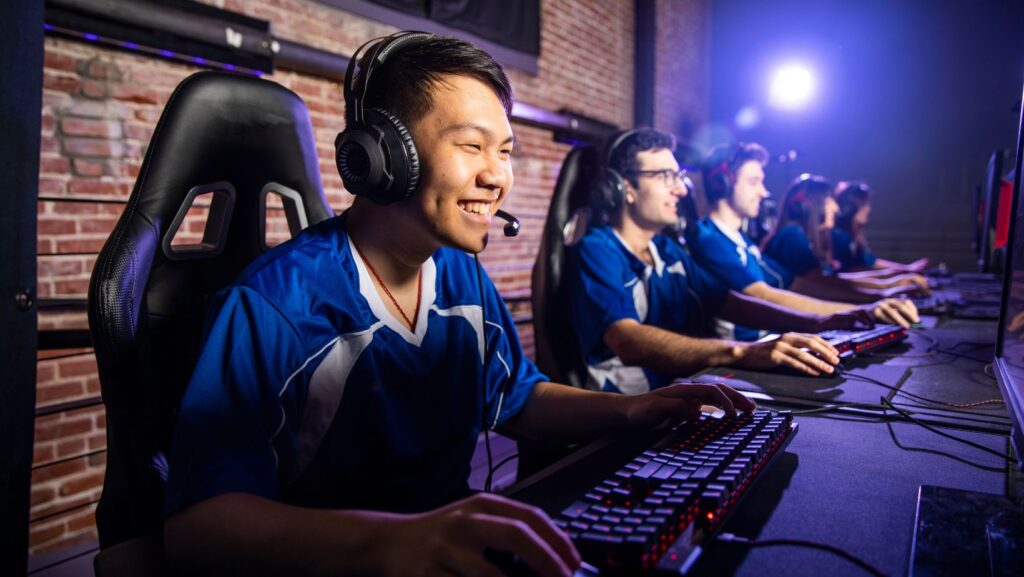
Finland has long been known for its strong gaming culture, technological innovation, and world-class education system. Over the past two decades, these strengths have combined to create one of the most vibrant esports ecosystems in Europe. Today, esports in Finland is not only about professional players and international tournaments, but also about grassroots participation, youth engagement, and community-driven gaming as a serious and respected hobby.
A Strong Gaming Foundation
Esports in Finland grew naturally from a deep-rooted gaming culture. Finnish households were early adopters of computers, consoles, and high-speed internet, which allowed online multiplayer gaming to flourish early. Games such as Counter-Strike, StarCraft, and later League of Legends and CS:GO became popular among Finnish youth in the early 2000s. Gaming was often social, taking place in LAN events, school networks, or online communities.
This cultural acceptance of gaming made it easier for esports to develop as a hobby rather than being viewed as a niche or harmful pastime. While public debate around screen time still exists, gaming is generally seen as a legitimate leisure activity in Finland, comparable to traditional sports or music.
Casinos and Esports Visibility
Parhaatuudetkasinot.com is one example of a platform that reflects how online casino brands position themselves within the broader digital entertainment landscape.
As esports has grown from a niche hobby into a mainstream activity in Finland, it has also attracted attention from industries operating in adjacent digital spaces. Online casinos, streaming platforms, and other interactive entertainment services increasingly follow esports developments, audiences, and communities.
Although esports in Finland is primarily focused on hobbyist participation, education, and youth activities, its rising visibility has made it part of a wider discussion about digital entertainment ecosystems. This connection highlights how esports now exists alongside other online industries that target similar adult audiences and operate through comparable digital channels.
Esports Clubs and Grassroots Communities
One of the defining features of esports as a hobby in Finland is the strong role of local clubs and associations. Across the country, dozens of esports clubs operate at city, school, or university level. These organizations provide structured environments for players of all ages to train, compete, and socialize.
Many Finnish esports clubs are registered non-profit associations, similar to traditional sports clubs. They organize weekly practice sessions, amateur tournaments, coaching, and community events. This structure allows esports to be accessible even to beginners who have never competed before. Players can join teams, learn communication skills, and develop discipline in a safe and supportive environment.
Educational institutions also play a major role. Several Finnish upper secondary schools and vocational schools offer esports programs that combine regular education with guided gaming practice. Universities and universities of applied sciences run esports teams and student associations, often competing nationally and internationally.
Youth Work and Social Impact
In Finland, esports is increasingly used as a tool for youth engagement and social inclusion. Municipal youth centers across the country host gaming evenings, esports workshops, and tournaments. These activities help reach young people who may not be interested in traditional sports but still benefit from teamwork, goal-setting, and community belonging.
Esports as a hobby can also support digital literacy, English language skills, and problem-solving abilities. Many young Finnish players improve their communication skills through international online play, where English is the primary language. Coaches and youth workers often emphasize healthy gaming habits, including time management, ergonomics, and physical activity alongside gaming.
From Hobby to Competitive Pathways
For many Finnish players, esports begins purely as a hobby but can gradually become more competitive. Amateur leagues and online tournaments provide low-threshold opportunities to test skills in organized competition. National tournament circuits exist for popular titles, allowing players to experience structured competition without professional pressure.
Finland has produced several internationally successful esports professionals, and their stories inspire younger players. However, it is widely understood that reaching the professional level requires exceptional dedication, skill, and support. For most participants, esports remains a rewarding hobby that offers friendships, personal development, and memorable experiences rather than a career goal.
Parental and Societal Attitudes
Parental attitudes toward esports in Finland are generally pragmatic. While concerns about excessive gaming exist, many parents recognize the positive aspects when gaming is balanced with school, physical activity, and social life. The presence of organized clubs, schools, and youth programs has helped legitimize esports as a structured hobby rather than an unregulated activity.
National organizations and researchers also contribute to informed discussion about gaming. Finland’s strong research culture has produced numerous studies on gaming behavior, helping policymakers, educators, and parents make evidence-based decisions.
The Future of Esports as a Hobby in Finland
Looking ahead, esports as a hobby in Finland is expected to continue growing. The next generation is introduced to gaming at an early age, and infrastructure such as community gaming spaces, school programs, and online platforms continues to improve. New game titles and formats ensure that the scene remains dynamic and inclusive.
Rather than replacing traditional hobbies, esports has found its place alongside them. For many Finns, esports is a modern expression of competition, creativity, and community — one that reflects Finland’s digital strengths and social values.