Mirathor Quellith
Traditional sports clubs used to have a simple rhythm. Train during the week, play at the weekend, fill the stadium, sell shirts, build loyalty through local pride. That rhythm still matters. A full stadium can still make a club feel bigger than any media campaign. But sport now lives in a different world. Fans do not only follow a club through matches. Support can happen through clips, games, podcasts, livestreams, memes, fantasy leagues, and quick updates during school, work, or a bus ride.
That is why esports has become interesting to many traditional clubs. A football fan might watch highlights, play a console match, read about soccer betting, follow a streamer, and check transfer rumours all in one evening. None of those habits cancel each other out. They sit together. For clubs, this is the point. Esports is not only a trendy side project. It is a way to stay close to people when attention has moved onto screens.
Younger Fans Do Not Always Start at the Stadium
Many older supporters found a club through family, local streets, radio, newspapers, or matchday routines. Younger audiences often meet sport in a less direct way. A first connection may come from a video game, a TikTok edit, a YouTube challenge, or a player’s social media account. That can sound strange to traditional fans, but it is now normal.
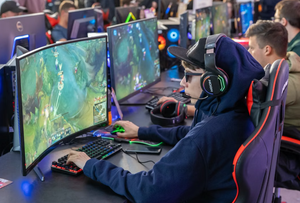
Esports gives clubs another entrance into that world. A young person may not sit through every league match, especially when there are dozens of other things fighting for attention. But a gaming tournament, a club esports player, or a short livestream can still create interest. From there, the wider club brand becomes familiar.
This does not mean history stops mattering. In fact, history can become a strength. A club with a badge, colours, rivalries, and old stories already has something many gaming brands need years to build. Esports simply gives that history another place to breathe.
Why Clubs See Value in Esports
The move into esports is not only about looking modern. Clubs are usually looking at several practical benefits.
These points make esports useful, but not magical. A club still has to understand the space. A badge alone will not impress gaming audiences for long. If the project feels lazy, people will notice quickly. Gaming fans are not exactly shy with opinions. The comment section has teeth.
Esports Helps Clubs Stretch the Brand
A sports club is more than a team sheet. It is a symbol. The badge can mean home, family, habit, pride, rivalry, or memory. Esports lets that symbol appear in new places. A club can show up on Twitch, YouTube, Discord, gaming tournaments, short videos, and creator collaborations.
This is especially useful for clubs with fans abroad. Not every supporter can visit the stadium. Some may never see a home match in person. Still, online experiences can create a sense of connection. A gaming event, a digital shirt, or a livestream can make the club feel closer.
There is also a content advantage. Traditional sport depends on schedules and results. A bad run of form can make communication awkward. Esports content can be lighter. It can include challenges, training clips, behind-the-scenes moments, casual interviews, and fan competitions. That gives the club more ways to speak without sounding like a press release after a 2-0 loss. Painful, but familiar.
What Makes a Club Esports Team Feel Real
A strong esports project needs more than a logo on a jersey. It needs planning, patience, and people who understand gaming culture.
The clubs that do this well treat esports as its own culture, not as a small toy version of football or basketball. That respect makes a difference.
Tradition Still Has a Place
Esports will not replace traditional sport. A derby, a cup final, or a packed stadium still has a kind of force that cannot be copied through a stream. The noise, the nerves, the weather, the walk to the ground, even the bad food outside the stadium, all of it belongs to sport’s old magic.
The smarter view is not “sports or esports.” It is both. A club can protect tradition while building new routes for fans. Some people will come through family loyalty. Some will come through a favourite player. Some will come through a gaming clip at midnight.
The Next Club Fan May Start Online
Traditional sports clubs are investing in esports because fandom has changed shape. It is no longer tied only to a seat in a stadium or a television broadcast. It now moves through screens, games, communities, and quick digital moments.
The strongest clubs will not throw away the past. That would be foolish. Old roots give sport its weight. But roots need new branches. Esports gives clubs one of those branches, and it reaches places where traditional matchday culture cannot always go.
A stadium still matters. The badge still matters. But the next generation may meet that badge first through a controller, a stream, or a gaming team. For clubs thinking about the future, that is not a threat. It is a door left open.