How Reward Mechanics Are Shaping Engagement in Competitive Gaming Platforms
 Bruce Dias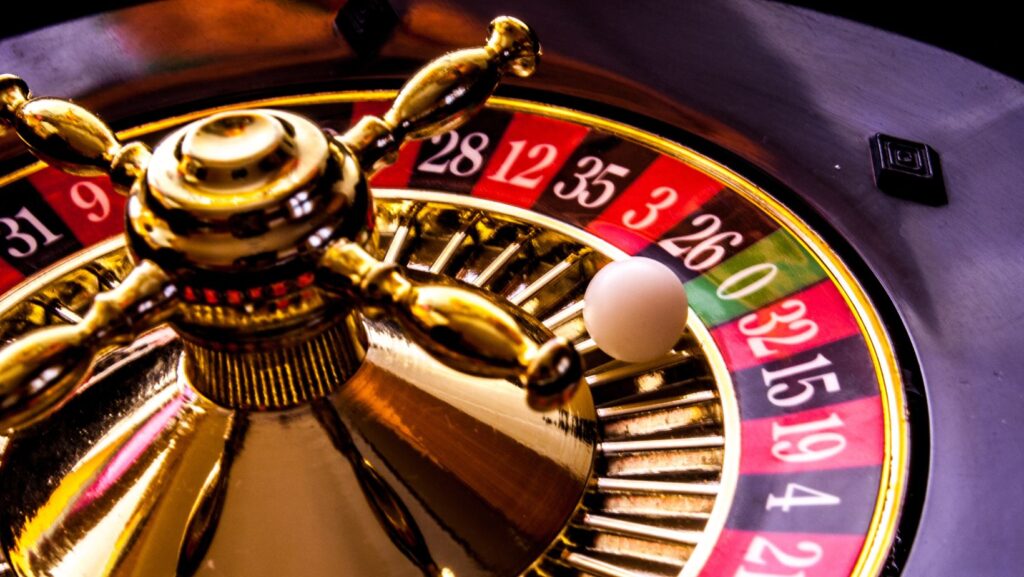
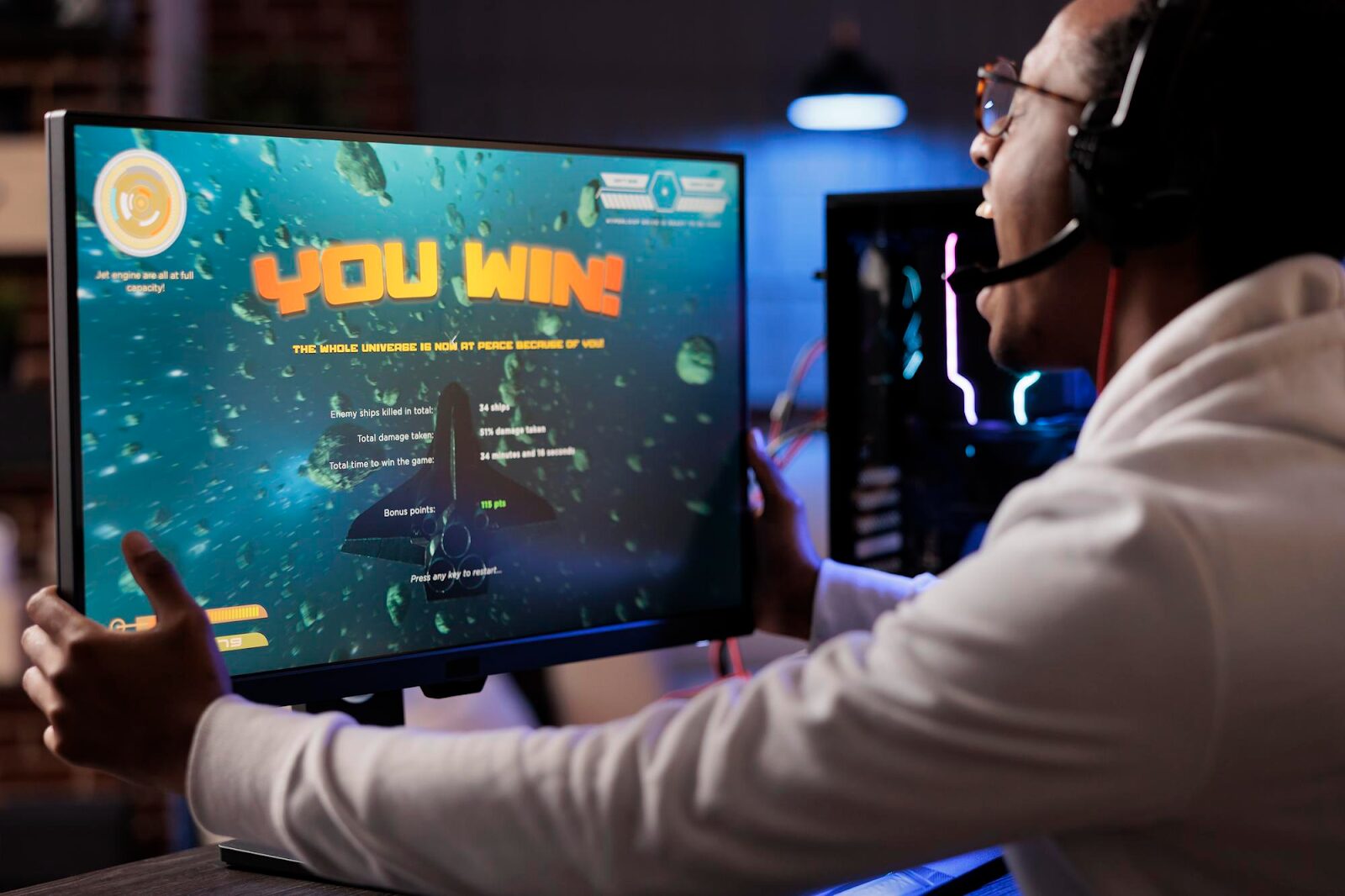
There is a moment every competitive gamer knows. You finish a ranked match, the results screen loads, and before you can process whether you played well or terribly, you are already looking at what you earned. Experience points, rank adjustments, cosmetic drops, battle pass progress – the reward layer arrives before the reflection does. That is not an accident. It is architecture. The platforms hosting competitive gaming today have invested enormous effort in understanding what keeps players coming back, and the answer almost always involves a carefully calibrated system of feedback and reward running in parallel with the game itself.
What makes this interesting from a design perspective is that the mechanics are not new. Behavioral psychology has known for decades that variable reward schedules create stronger engagement than fixed ones. What is new is the sophistication of implementation at scale. The casino bonus system that major entertainment platforms use to retain users – offering escalating rewards for continued activity, surprise bonuses timed to moments of potential dropout, and loyalty tiers that make leaving feel costly – represents one of the most rigorously tested implementations of these principles in any consumer context. Competitive gaming platforms have absorbed those lessons and rebuilt them inside skill-based competition, which creates a potent combination: players believe they are earning rewards through merit while being shaped by the same reinforcement structures driving engagement across every other digital entertainment category.
The architecture of staying power
A rank is not just a number. Ask anyone who has spent a season grinding through the middle tiers of any competitive game and they will tell you it carries meaning beyond skill – a progress marker, a sunk cost, a social signal and a motivator all at once. The smartest platforms have built whole ecosystems around how important small steps forward can be. The battle pass model, dominant across competitive gaming since the late 2010s, works because it converts time investment into visible, trackable progress that feels like earning rather than spending. Every session advances the bar. The player who logs in with twenty minutes to spare has still moved forward, still unlocked something, still contributed to a larger arc that will pay off.
What is rarely discussed is how much work goes into calibrating the pace. Too fast and rewards feel meaningless. Too slow and players drop before they reach the good stuff. The platforms that get this right have analytics teams studying session lengths, drop-off points and engagement cliffs in ways most players never see.
| Reward mechanic | Primary engagement function | Psychological lever | Common platform implementation |
| Ranked progression | Long-term retention | Status and identity | Season-based rank resets |
| Daily/weekly challenges | Habitual return | Routine and completion | Time-gated mission systems |
| Cosmetic drops | Surprise and collection | Variable reinforcement | Random reward pools |
| Battle pass tiers | Sustained investment | Sunk cost and anticipation | Linear progression with milestones |
| Loyalty streaks | Consistent engagement | Loss aversion | Daily login bonuses |
When skill meets the slot machine problem
The competitive gaming community has a complicated relationship with this reality. Players want to be rewarded for good play – it aligns with the meritocratic logic that makes competitive games appealing. But many effective retention mechanics have nothing to do with skill. They reward showing up, not playing well.
This creates a design tension the best platforms navigate carefully. Games that feel most rewarding long-term usually connect both loops – where getting better reinforces the reward system and vice versa. When climbing a rank tier also unlocks meaningful cosmetic rewards and earns visible respect from opponents, the feedback is rich in a way purely cosmetic systems cannot replicate. The platforms that fail at this either overweight engagement mechanics until the game becomes a vehicle for reward delivery, or ignore them entirely and wonder why retention collapses after the first month.
What players actually want versus what keeps them playing
There is a gap between what competitive gamers say they want and what data shows keeps them engaged. Ask players and they will say fair matchmaking, responsive gameplay, and meaningful competition. Give them only those things and watch retention curves drop faster than on platforms that also offer cosmetic progression, seasonal events, and daily reward loops. This does not mean players are wrong about what they value. It means engagement is layered. The moment-to-moment experience needs to be good, but session-to-session and week-to-week loops need to exist too. Players who say they hate cosmetic microtransactions are often the same ones who feel the pull of a battle pass they have already partially completed.
The honest version of this story is that reward mechanics in competitive gaming work precisely because they operate below the level of conscious attention. The best implementations feel invisible – not like manipulation, but like the natural rhythm of a hobby you cannot quite put down. Whether that is something the industry should be proud of is a question worth sitting with.