Mirathor Quellith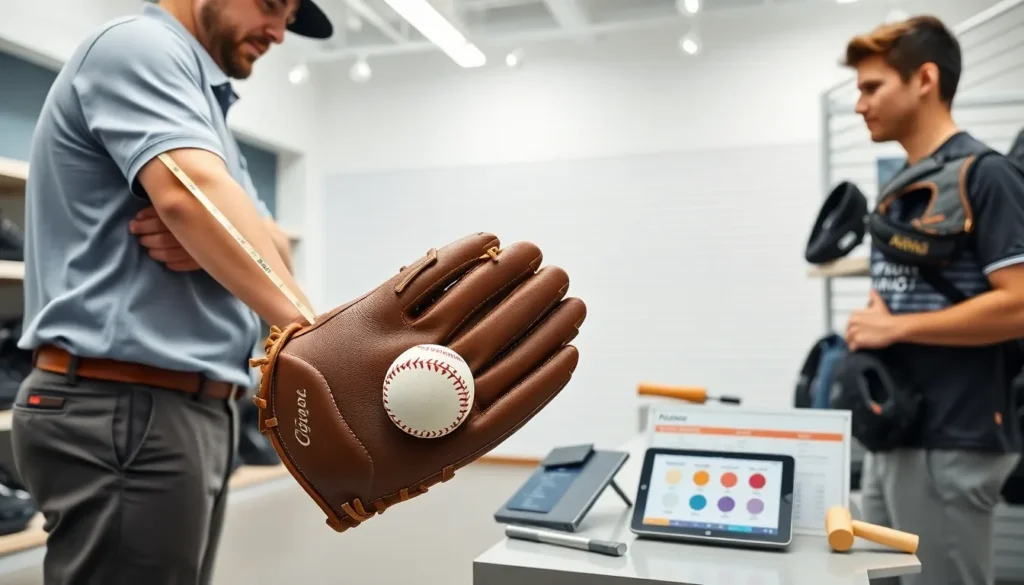
Good Baseball Gloves help players catch, throw, and field with confidence. The guide explains how to choose, fit, break in, and care for gloves. It lists features, price ranges, and buying tips. The language stays direct and clear.
Key Takeaways
- Good baseball gloves should be chosen by position and hand size—pick 11
- 11.75
How To Choose The Right Glove
Choosing the right glove starts with role and size. A player selects a glove that matches position, hand size, and budget. They check leather type and construction. They test web, back, and pocket style.
Position-Specific Size And Style Guide
Infielders pick smaller gloves for quick transfers. They choose 11″ to 11.75″ gloves for most levels. Shortstops and third basemen favor 11.5″ to 12″ models. Outfielders pick larger gloves for reach and catching area. They use 12.5″ to 13.5″ gloves. First basemen use specialized mitts with extra padding and a longer pocket. Catchers use mitts with a hinged pocket and heavy padding.
Leather Types And Construction (Cowhide, Kip, Synthetic)
Cowhide leather offers durability and value. Kip leather offers lighter weight and faster break-in. Synthetic materials offer light weight and lower cost. High-end gloves use full-grain or kip leather with solid stitching. Lighter leathers feel faster on the hand. Stronger leathers last longer under heavy use.
Web, Back, And Pocket Differences
Closed webs help pitchers hide the ball. H-pattern or open webs help infielders see and scoop the ball. Outfielders favor deeper pockets for fly balls. Back styles include single post, double post, and closed back. Single post gives more flex. Closed back gives more wrist support. The pocket depth influences ball control and transfer speed.
Fit, Feel, And Break-In Basics
A good fit lets the hand move and control the ball. Players check fit before purchase. Manufacturers list sizes and hand measurements.
How To Measure For A Proper Fit
A player measures from index finger tip to wrist crease for length. They measure hand circumference for width. They compare measurements to the brand chart. They try the glove with a ball to test closure and finger room. The glove should close around the ball without excess gap.
Safe And Effective Break-In Methods
A player plays catch to break in a glove. They apply small amounts of conditioner to soften leather. They avoid machine washing or soaking in water. They use a mallet and a ball to form the pocket. They store a ball in the pocket while the glove rests to keep the shape. They repeat play sessions until the glove flexes easily.
Key Features To Look For
A buyer inspects padding, wrist fit, lacing, weight, and hand orientation. They look for signs of quality in stitching and leather finish.
Padding, Wrist Adjustments, And Lacing Quality
Padding reduces sting and protects the hand. Wrist adjustments help secure the glove. Lacing holds the glove shape. Tight laces keep the pocket firm. Replace frayed laces to restore structure. A player tests wrist straps for a snug fit without cutting circulation.
Glove Weight, Hand Orientation, And Durability Indicators
Lighter gloves speed up transfers. Heavier gloves offer more protection and durability. Right-handed throwers wear left-hand gloves and vice versa. Durable indicators include full-grain leather, tight stitching, and reinforced palms. A buyer checks the palm and heel for extra layers. They prefer gloves with replaceable laces and solid webbing.
Budget Guidance: Best Options By Price Range
Budget guides help buyers match cost to frequency of play and goals. They choose value models for learning and premium models for serious play.
Best Value Gloves For Beginners
Entry-level gloves use synthetic or split-grain leather. They cost less and require less break-in. They suit casual players and youth leagues. A beginner gets a glove that fits now and allows hand growth.
Mid-Range Picks For Regular Players
Mid-range gloves use full-grain cowhide or light kip leather. They offer better durability and feel. Regular players find a balance of cost and performance here. These gloves handle frequent use while still breaking in in a few weeks.
When To Invest In A Premium Glove
A player invests in premium gloves for daily play or travel teams. Premium gloves use kip or top-grade full-grain leather. They last longer and mold to the hand with time. The higher cost pays off in comfort and lifespan.
Care, Maintenance, And Storage Tips
Regular care lengthens a glove’s life. A player cleans, conditions, and stores the glove with care.
Cleaning, Conditioning, And Re-Lacing Basics
A player wipes dirt with a soft brush or cloth. They apply a small amount of leather conditioner to keep the leather supple. They avoid heavy oils that saturate and weaken leather. They inspect laces and replace broken ones. They use lace kits and a simple tool to re-lace the web or fingers.
How To Store A Glove To Preserve Shape
A player stores a glove with a ball in the pocket. They keep the glove in a cool, dry place. They avoid direct heat and long sun exposure. They use a glove wrap or a soft bag to block dust. They check the glove monthly and recondition as needed.
Where To Buy And Try Gloves
Buyers try gloves in store when possible. They use online options when stores lack stock. They test fit, feel, and pocket action before they commit.
Tips For Testing Fit In-Store And Online Buying Advice
In store, a buyer puts on several gloves with a ball. They check closure speed and finger comfort. They ask staff for size charts and model differences. Online, a buyer read size charts and return policies. They read reviews that mention break-in and fit. They order two sizes if unsure and return the one that fits worse. They track serial numbers and receipts for warranty claims.