Pernithia Galnith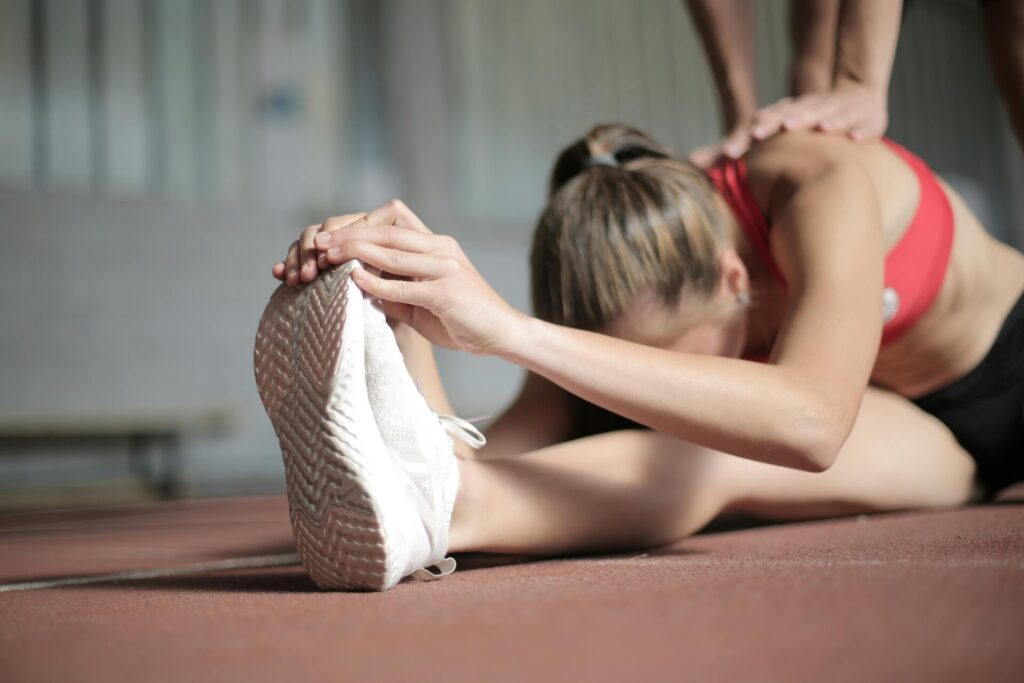
Muscle and joint soreness is a common challenge for athletes and active individuals. Effectively managing this discomfort can make a difference in both performance and daily wellbeing. There are several methods available, ranging from traditional remedies to innovative routines, to help soothe muscle and joint pain.
Understanding how to help muscle and joint soreness is important for anyone participating in physical activities. Integrating techniques such as applying heating and cooling balm, developing consistent recovery plans, and using simple self-care strategies can provide significant relief. Individuals should also consider their personal needs and preferences when selecting which approaches to include in their routines. By focusing on effective practices, managing soreness becomes a strategic part of training and recovery.
Incorporating heating and cooling remedies
Topical solutions remain a popular choice for assisting with sore muscles and joints. Products like heating balm can stimulate blood flow, which may help relax tense muscle tissues and ease discomfort after workouts. Conversely, cooling balm often provides a soothing sensation that can help reduce inflammation and swelling, making it ideal after intense physical activity.
Combining these remedies in a single routine can produce targeted effects. For example, a person might apply a cooling balm directly after a strenuous session to address immediate inflammation, then use heating balm later to maintain flexibility and relaxation. By adjusting usage based on timing and symptoms, athletes and everyday exercisers can personalize their relief tactics.
The science behind thermal therapy supports the use of both heat and cold applications for managing discomfort. Heat works by dilating blood vessels and improving circulation to affected areas, which can help deliver oxygen and nutrients necessary for tissue repair. Cold applications, on the other hand, can help constrict blood vessels temporarily, reducing fluid buildup and providing numbing relief. Many athletes find that alternating between these sensations throughout their recovery period offers comprehensive support, addressing both immediate post-exercise inflammation and longer-term muscle tension that develops in the hours following activity.
Building effective recovery routines
Consistent recovery routines are essential for addressing muscle and joint soreness. Activities like stretching, foam rolling, and controlled movements can increase mobility while reducing stiffness. Incorporating these habits regularly allows individuals to support recovery and minimize the impact of future soreness.
Some athletic programs introduce structure and even playfulness into recovery plans to boost compliance. For instance, assigning small challenges or social incentives may encourage more regular use of stretching or mobility exercises. Adding a cooling balm as part of a post-session checklist can complement these plans and reinforce the habit of recovery.
Timing plays a crucial role in maximizing the effectiveness of recovery routines. Many fitness experts recommend beginning recovery practices within the first hour after exercise, when muscles are still warm and more receptive to stretching and manipulation. Creating a post-workout checklist that includes hydration, gentle movement, and heating balm can help establish consistency. Additionally, scheduling dedicated recovery days into weekly training plans allows the body adequate time to adapt and strengthen. This systematic approach to recovery not only addresses current soreness but also builds resilience against future discomfort, enabling individuals to maintain higher training volumes over time.
Listening to your body and adjusting strategies
Every person’s response to physical activity and subsequent soreness is unique. Paying attention to how your body feels can help guide the adjustments needed in your recovery tactics. Modifying rest, hydration, and activity levels based on soreness patterns can support a quicker and safer return to activity.
Combining self-care checks with proven products and consistent routines forms a balanced support system. When discomfort persists or worsens, consulting with medical professionals is always recommended, but developing proactive habits for muscle and joint soreness can help many maintain their activity goals and remain engaged in daily life.