FC Barcelona vs Real Madrid: The Clásico That Once Again Defines the 2026/27 Season
 Mirathor Quellith
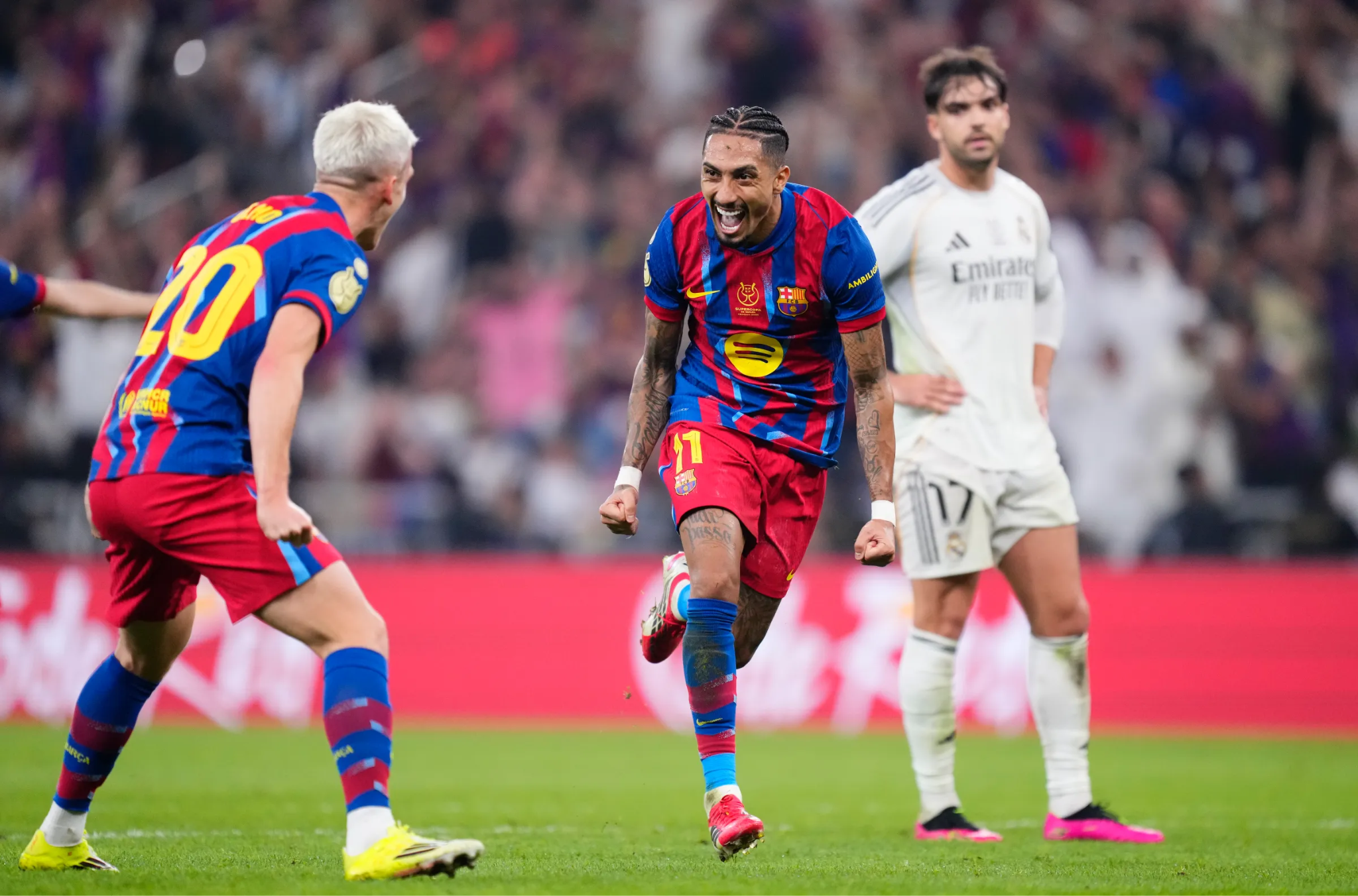
There are important matches, and then there is FC Barcelona vs Real Madrid. El Clásico belongs to a category of its own: ninety minutes capable of changing the course of a season, transforming the mood inside two dressing rooms, and generating discussion from Madrid and Barcelona to Mexico City, Buenos Aires, Bogotá, Santiago, and Lima.
The build-up does not begin on matchday either. Weeks before the game, the first questions start appearing about possible lineups, the fitness of the stars, both clubs’ positions in LaLiga, and the individual battles that could decide the match.
In the 2026/27 campaign, the rivalry once again offers enough storylines to look far beyond the final result. Barcelona continues to rely on a young generation built around players such as Lamine Yamal, Pedri, Gavi, and Pau Cubarsí, while Real Madrid remains a team designed to compete at the highest level and punish every mistake made by its opponents.
That is why understanding El Clásico requires looking at three dimensions at the same time: who is playing, where the match is taking place, and what each team is trying to do with the ball.
FC Barcelona vs Real Madrid: Why No Other Match Feels the Same
The international interest surrounding El Clásico can partly be explained by its history, but reducing it to a century-old rivalry would be an oversimplification.
Barcelona and Real Madrid have spent decades bringing together some of the biggest stars in world football. Every generation finds its own protagonists and adds new chapters to a history that already includes comebacks, heavy victories, finals, titles decided by the smallest of margins, and unforgettable individual performances.
That explains why so many different questions appear before every meeting. Some fans search for the Real Madrid lineups against FC Barcelona. Others want statistics from previous encounters, league standings, or simply information about where they can watch the match from their country.
El Clásico’s ability to generate so many different stories is precisely one of its greatest strengths. The same match can be a battle for the title, a duel between young talents, a tactical test for the coaches, and a global sporting event all at once.
Barcelona in 2026/27: Young Talent and a Recognizable Identity
Barcelona’s recent identity is closely connected to a generation that has moved beyond being considered promising and has begun taking on genuine responsibility.
Lamine Yamal is the clearest example. His ability to receive the ball out wide, beat defenders, and attract additional defensive coverage influences the structure of every opponent. Pedri provides a different type of influence: he controls the tempo, identifies spaces, and allows the team to progress without having to accelerate every possession.
Gavi adds intensity. Pau Cubarsí makes it easier to build from the back. Alejandro Balde can provide width and depth from the full-back position.
The exact composition of the squad can be checked on the official FC Barcelona first-team squad page, something that becomes especially important as the season progresses and injuries, tactical decisions, and transfer activity change the options available.
The real challenge appears when all these pieces have to function together under the pressure of El Clásico.
Against many opponents, losing possession high up the pitch simply means reorganizing defensively. Against Real Madrid, one poor turnover can become a sixty-meter sprint back toward your own goal.
The Lineup Battle Begins in Midfield
The FC Barcelona lineups against Real Madrid always attract enormous attention, but knowing the starting eleven is valuable for more than simply identifying the names on the team sheet.
A formation can reveal intentions.
If Barcelona adds another midfielder, the objective may be to establish greater control of possession. If the team selects more pace in attack, the plan may be to attack more aggressively once the first line of pressure has been beaten.
The same applies to Madrid.
A more physical midfield could indicate preparation for a match built around duels. A structure featuring more attacking talent between the lines may reveal a different intention: accepting certain defensive risks in order to attack with more players.
Definitive information about Barcelona’s squad selections and latest updates should be checked through the club’s official first-team news. For Real Madrid, the official Real Madrid website is the direct reference for squad information and sporting news.
Until both clubs announce their official starting lineups, every proposed eleven remains a prediction.
Real Madrid and the Art of Attacking When the Game Opens Up
One of Real Madrid’s greatest threats emerges when the match loses its structure.
Barcelona may feel comfortable putting together long passing sequences and controlling territory, but the situation changes the moment possession is lost and Madrid finds open space.
Real Madrid has built much of its competitive identity around a particularly dangerous combination: technical quality and the ability to accelerate.
In El Clásico, five seconds can sometimes be more important than five minutes of possession.
A full-back positioned too high, a center-back forced to defend while running toward his own goal, or a defensive midfielder arriving late to provide cover can immediately create an opportunity.
That is why Barcelona does not simply need to attack well. It needs to be prepared to defend while attacking.
That is one of the great tactical paradoxes of modern football.
Lamine Yamal Against a Defense Forced to Make Decisions
Every time Lamine Yamal receives the ball in a wide position, a small defensive crisis begins.
Should the full-back step out?
Should the midfielder provide support?
Should the center-back leave his position?
Is it better to allow him to advance while closing the inside passing lane?
There is no perfect answer.
If two players defend against one attacker, another player becomes free. If the defender is left isolated, the risk of a one-on-one situation increases.
These situations help explain why the lineups matter so much. The choice of full-back, the winger working in front of him, and the nearest midfielder can reveal how Madrid intends to control one of Barcelona’s biggest threats.
At the other end, Barça will face similar problems.
El Clásico is almost never decided by one single battle. It is a chain of individual duels taking place simultaneously.
Statistics Help, but They Need Context
The FC Barcelona vs Real Madrid statistics are an inevitable part of any pre-match analysis.
Possession, shots, goals, recoveries, passing accuracy, and set-piece performance can help identify trends. The problem appears when numbers are used without explaining what actually happened during the match.
Having more possession does not necessarily mean being dominant.
Taking more shots does not guarantee that a team created better chances.
Even a seemingly straightforward statistic such as ball recoveries can be interpreted differently depending on where those recoveries occurred.
That is why the best analysis combines numbers with context.
If a team keeps the ball for long periods but cannot break through defensive lines, its possession percentage may have little meaning. If the opponent needs only a few attacks to reach the penalty area, the scoreline can tell a completely different story.
In El Clásico, data should explain the game, not replace it.
The Schedule Can Change the Lineups
There is also a less spectacular but decisive factor: when the match is played.
The number of minutes accumulated by players influences many decisions.
One player may arrive after international matches. Another may be carrying a minor physical issue. Some players may need rest after several weeks of playing every three or four days.
The official FC Barcelona LaLiga schedule provides context for the club’s domestic commitments, while LaLiga maintains updated information about matchdays, standings, and the competition schedule.
This is particularly important when trying to avoid exaggerated conclusions.
A player missing from the starting eleven does not necessarily mean the coach has lost confidence in him. It may simply be a physical decision, a tactical choice, or part of managing playing time.
Atlético de Madrid Is Also Part of the Equation
Barcelona and Real Madrid attract much of the attention, but the Spanish season does not revolve exclusively around El Clásico.
Barcelona’s meetings with Atlético also generate enormous interest. The Atlético de Madrid lineups against FC Barcelona and the FC Barcelona lineups against Atlético de Madrid help reveal a different type of tactical challenge.
The contrast is usually different.
Against Atlético, Barcelona may face an opponent prepared to protect central areas, compete aggressively in every duel, and attack quickly after recovering possession.
That requires different solutions from those needed against Madrid.
Comparing these major matches helps explain something fundamental: there is no perfect formation for an entire season. The starting eleven depends on the opponent, the players’ physical condition, and the type of match the coach expects.
EA Sports FC 26 and a New Way of Understanding Football
Modern football is also consumed outside the stadium.
New generations analyze heat maps, advanced statistics, average positions, and pressing sequences from their phones while watching the match.
That language has also found its way into video games.
EA SPORTS FC 26 is part of an evolution in which concepts once largely reserved for coaches and analysts — roles, systems, pressing, width, and build-up play — have become familiar to millions of players.
However, it is important to maintain a clear distinction.
A footballer’s rating in EA FC 26 belongs to the game. His real-world performance depends on physical condition, confidence, tactical context, and the decisions made during the match.
The video game can help popularize football concepts.
The pitch remains a different story.
How to Watch FC Barcelona vs Real Madrid From Latin America
El Clásico has an especially strong audience in Latin America.
Mexico, Argentina, Chile, Colombia, Peru, and numerous Central American countries have enormous communities of supporters of both clubs.
However, the broadcast provider is not necessarily the same in every territory.
Broadcasting rights depend on the country and competition, so searches about where to watch Real Madrid vs FC Barcelona should be verified using the relevant official programming information.
There are also significant time-zone differences.
A match scheduled for the afternoon in Spain may take place during the morning or early afternoon in some Latin American markets.
For that reason, it is advisable to verify the official kickoff time through LaLiga and then check the authorized broadcaster in your country.
El Clásico Also Lives on the Second Screen
Today, hardly anyone experiences a major football match in complete isolation.
While the ball is in play, fans may be checking statistics, discussing a refereeing decision, watching replays, or following conversations on social media.
That digital ecosystem includes many different forms of entertainment. Some adult platforms also offer categories such as juegos de casino, an activity that is completely separate from sports analysis and does not constitute a method for predicting football results. Where these services are legally available, they should only be used by adults and in a responsible manner.
El Clásico, meanwhile, maintains one characteristic that is difficult to reproduce away from the pitch: the impossibility of knowing exactly what will happen even after analyzing all the available data.
What to Look for When the Lineups Are Confirmed
The first clue will be in midfield.
How many players does Barcelona use during the build-up?
Who protects against transitions?
Where does Pedri position himself?
Then comes the question of the wingers.
If Lamine Yamal consistently receives the ball in one-on-one situations, Madrid will need to adjust quickly.
At the other end, Barça will have to control the depth of Madrid’s attack and decide how far its defenders can push forward without leaving too much space behind.
The full-backs will also be important.
In modern football, few positions reveal as much about a team’s structure. Full-backs can become wingers during possession, move into central midfield, or remain close to the center-backs.
A simple starting position can reveal a large part of the tactical plan.
Frequently Asked Questions About FC Barcelona vs Real Madrid
When Does FC Barcelona Play Real Madrid?
The exact date and kickoff time should be checked through the official LaLiga schedule, as certain matches may be rescheduled due to television programming or the wider competition calendar.
Where Can I Watch FC Barcelona vs Real Madrid?
It depends on the country. Broadcasting rights differ between Mexico, South America, and Central America, so the authorized broadcaster for each market should be checked.
When Are the Official Lineups Announced?
The final starting elevens are usually announced shortly before kickoff. Until then, lineups published by the media should be considered predicted rather than confirmed.
Where Can I Find El Clásico Statistics?
LaLiga and the clubs’ official channels provide match information, while various sports-data providers offer additional coverage with live statistics.
Why Are Lineups Against Atlético de Madrid Also So Popular?
Because Atlético is another of Barcelona’s major rivals in Spanish football and presents a tactical challenge that is different from Real Madrid.
FC Barcelona vs Real Madrid: The Match Where the Plan Is Never Enough
El Clásico can be studied for weeks.
Statistics, previous meetings, possible lineups, and individual performances can all be reviewed.
It is also possible to anticipate where each team wants to press, how it intends to build its attacks, and which players are likely to receive the ball in the most dangerous areas.
Then the match begins.
And many of those certainties disappear.
That is probably the main reason why FC Barcelona vs Real Madrid continues to be one of the biggest events on the global football calendar. It does not matter how many times the two teams have faced each other or how much data exists around the rivalry.
Every Clásico writes its own story.
The lineups provide the first clue.
The scoreline writes the final one.