Pernithia Galnith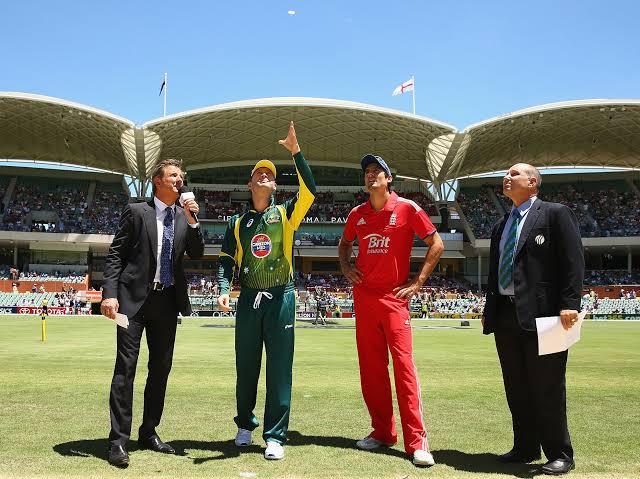
A cricket toss takes only a few seconds, but its consequences can shape the opening strategy of an entire match. The captain who wins the toss gets to decide whether the team bats first or fields first, creating an immediate tactical choice before a ball has been bowled.
Under the current ICC T20 World Cup playing conditions, the captain who wins the toss chooses whether to bat or field, and that decision cannot subsequently be changed. The important point, therefore, is not simply who becomes the toss winner. It is what that captain does with the decision and how that choice fits the conditions, format, and team composition.
For people following cricket markets, the toss also introduces a new piece of confirmed information between the pre-match assessment and the start of play. Readers following cricket markets through NG88 can therefore treat the toss as another factor to assess rather than as a standalone indication of what will happen.
What the Toss Winner Actually Controls
Winning the toss gives a captain one immediate decision: whether the team will bat first or field first. That choice determines the innings order and can affect how both sides approach the opening phase of the match.
Bat First
If the toss winner chooses to bat, their team gets the opportunity to establish a target before the opposition begins its innings.
This can be relevant when the captain believes the current pitch conditions are suitable for batting or expects them to change later. In limited-overs cricket, the first innings also creates a clearly defined target, which determines the tactical requirements of the chasing side.
The batting-first decision can therefore influence:
However, these effects depend on what actually happens during the innings. Choosing to bat first does not guarantee that the team will produce a competitive total.
Field First
The alternative is to field first and allow the opposition to set the target.
This gives the chasing team the benefit of knowing exactly how many runs it needs before beginning its innings. The bowling side can also structure its attack around the target once the first innings develops.
Captains may choose to field when they believe later conditions could be more favorable for batting or when they expect factors such as evening dew to influence the ball.
Again, this is a tactical assessment rather than a guaranteed advantage.
The Decision Isn’t Automatically Correct
A toss win does not equal a match win.
The 2026 Men’s T20 World Cup provides several examples of how different toss decisions can lead to very different results. South Africa’s Aiden Markram won the toss against New Zealand and elected to field. South Africa restricted New Zealand to 175/7 before successfully chasing the target, with Markram scoring 86 not out.
In another match, Namibia captain Gerhard Erasmus won the toss against India and elected to field. India scored 209/9 and went on to win by 93 runs.
These examples illustrate an important distinction: the toss creates a tactical starting point, but the match still depends on batting, bowling, fielding, conditions, and execution.
Why Toss Decisions Change With Match Conditions
There is no universal rule that makes batting first or fielding first preferable in every cricket match. Captains consider the circumstances in front of them, and those circumstances can vary significantly from one venue or format to another.
Pitch Condition
The pitch is one of the most immediate factors to consider after the toss.
A captain may assess:
A fresh surface may offer different characteristics from one that has already been used. Likewise, a pitch that appears good for batting at the beginning of a match may behave differently later.
The key distinction is between assessment and certainty. Captains make decisions based on what they expect the conditions to do; those expectations are not guarantees.
Weather and Dew
Weather can also influence the toss decision, particularly in T20 cricket and evening matches.
Dew is especially relevant in some subcontinental conditions. If substantial dew is expected later in the evening, a captain may prefer to field first because a wet ball can affect how comfortably bowlers grip and control it.
However, anticipated weather does not always develop exactly as expected.
Expected conditions ≠ guaranteed conditions.
This is why the toss decision should be viewed alongside the actual conditions once the match begins.
Format
The significance of a toss decision can also vary by format.
Test cricket: A decision can interact with pitch deterioration, weather changes, and the possibility of a match lasting several days.
ODI cricket: The innings order can influence how teams manage wickets, scoring rates, and resources across 50 overs.
T20 cricket: With only 20 overs per innings, teams have less time to recover from a poor start. Powerplay performance, wickets, and scoring momentum can therefore have a particularly visible effect on the match.
Team Strengths
The same toss result can lead to different decisions depending on the teams involved.
A captain may consider:
A team with strong chasing resources may approach the toss differently from a team whose strength lies in setting and defending totals.
Toss Winner vs. Match Winner Are Two Different Things
The terms toss winner and match winner describe two completely different events.
Toss winner
→ Wins the coin toss
→ Chooses whether to bat or field
→ Gains an immediate tactical choice
Match winner
→ Performs better over the complete match
→ Handles the innings, conditions, and key moments
→ Finishes with the winning result
This distinction matters because the statement “Team X won the toss” should not automatically be interpreted as “Team X has won an advantage that will decide the match.”
The toss can influence the conditions under which the game begins, but its significance has to be assessed alongside everything else.
Study Case 1: New Zealand vs. UAE, T20 World Cup 2026
UAE won the toss against New Zealand and chose to bat first.
UAE scored 173/6, establishing what appeared to be a substantial target. New Zealand then chased it in just 15.2 overs without losing a wicket, with Tim Seifert scoring 89 not out and Finn Allen making 84 not out.
The sequence is useful because:
The result demonstrates why the toss and the match result should be treated as separate variables.
Study Case 2: Netherlands vs. Namibia
Netherlands captain Scott Edwards won the toss against Namibia and chose to field.
Namibia made 156/8, after which the Netherlands successfully chased the target and won by seven wickets. ICC described the decision to field as useful on the sluggish Delhi surface.
Here, the toss decision and the eventual match result aligned more closely with the conditions the captain was responding to.
Together, these cases show why a toss decision needs context rather than a simple assumption about its effect.
How the Toss Changes Cricket Betting Markets
The toss winner becomes particularly relevant when looking at how cricket markets evolve around a match.
Before the Toss
Before the toss, markets are formed around information such as:
At this stage, the innings order is still unknown.
After the Toss
Once the toss is completed, one important uncertainty disappears:
Who bats first?
That confirmed information can affect market prices or odds because participants now know the innings order and the decision made by the winning captain.
The change does not happen in isolation. Market participants may also consider the captain’s explanation, weather conditions, pitch reports, and the strengths of both teams.
For example, ng88bd.com readers following changing cricket markets can treat the toss as one new piece of information rather than as the final answer to the match.
After the First Innings
Once the first innings is complete, substantially more information is available.
This can include:
The toss is therefore only one stage in an evolving information cycle.
Toss information is one input into an evolving market, not a substitute for the match itself.
What to Compare After the Toss
Instead of simply asking “Who is the toss winner?”, a more useful approach is to examine what happened immediately afterward.
1. What Did They Choose?
Did the winning captain decide to:
The decision establishes the innings order.
2. Why Did They Choose It?
When available, the captain’s post-toss explanation can provide useful context.
A captain may refer to the pitch, weather, dew, team balance, or expectations about how the surface will behave.
3. Does the Decision Fit the Venue?
Consider:
Venue statistics can provide context, but they should not be treated as guarantees of future conditions.
4. Which Team Benefits From the Selected Innings Order?
Compare the teams’ characteristics rather than focusing only on the toss result.
Relevant factors include:
5. Has the Market Already Reacted?
This is particularly relevant for people following sports betting markets.
Once the toss has taken place, it is no longer hidden information. Both teams, bookmakers, traders, and bettors can respond to the same confirmed event.
That means any market movement can happen quickly.
When the Toss Matters More Than Usual
The toss does not carry identical tactical importance in every match.
Its importance may be greater under circumstances such as:
There are also circumstances where the toss may be less decisive, including:
- Excellent batting conditions throughout
- Very short boundaries that benefit both sides
- Strong teams capable of adapting to either innings order
- Conditions that remain relatively stable throughout the match
These are contextual factors rather than fixed rules.
Why Toss Records Can Be Misleading
Historical toss data can look useful while telling a much smaller story than expected.
Consider a statement such as:
“Team X has won 70% of its recent tosses.”
That statistic describes coin-toss outcomes. It does not explain what the team did after winning those tosses or what happened in the matches that followed.
Three datasets should be kept separate.
Toss Win Rate
How often a team wins the coin toss.
Decision Pattern
What the captain chooses after winning the toss.
Match Result
What happens over the course of the match.
These are three different variables.
A team could win many tosses, choose to field frequently, and still have a mediocre match record.
Another team could win relatively few tosses, perform well regardless of innings order, and maintain a strong overall record.
This separation is important because it prevents a basic toss statistic from being mistaken for a prediction of match performance.
How to Read a Toss Result Without Overrating It
A simple checklist can help put the toss into context:
The final question is particularly important.
Once play begins, real match information starts replacing pre-match assumptions.
The toss is information, not the entire match.
The Toss Is the Starting Point, Not the Result
The toss winner receives a strategic choice, but the consequences of that choice depend on the wider circumstances.
Pitch conditions, weather, format, team composition, batting depth, bowling resources, and the actual flow of the match can all influence what happens after the coin has been tossed.
Historical toss records also need to be separated from decision patterns and match results. A team’s frequency of winning the toss does not by itself establish how its matches will finish.
For cricket markets, the toss represents a clear change in available information. Before it, the innings order was uncertain. After it, that uncertainty is removed, and market participants can reassess the situation. As the match progresses, the actual score, wickets, scoring rate, and pitch behavior provide further information.
Readers using NG88 to follow live cricket information and changing match markets can therefore view the toss as the beginning of a new phase of analysis rather than the conclusion.
The most useful distinction is simple: the toss winner controls the first tactical decision, while the match winner is determined by everything that follows.
Frequently Asked Questions
Does Winning the Toss Mean a Team Has an Advantage?
Not automatically. Winning the toss provides the captain with the choice of batting or fielding first, but whether that decision proves useful depends on conditions, team strengths, and what happens during the match.
Can the Toss Winner Change the Decision Later?
Under the current ICC T20 World Cup playing conditions, the captain who wins the toss chooses whether to bat or field, and that decision cannot subsequently be changed.
Does a Team’s Toss Win Rate Predict Its Match Results?
No. Toss win rate, the decision made after winning the toss, and the eventual match result are separate datasets. A high toss win rate alone does not establish a corresponding match record.
Why Can Dew Affect a Toss Decision?
Expected evening dew can influence a captain’s assessment because a wet ball may affect grip and bowling conditions later in the match. However, the actual weather may differ from expectations.
Why Do Cricket Betting Markets React After the Toss?
The toss confirms the innings order and removes one area of uncertainty. Market participants can then reassess the teams using the confirmed decision alongside the pitch, weather, team composition, and other available information.