Pernithia Galnith
Cryptocurrency and gaming are two industries that complement each other well, as crypto owners can utilize their assets to earn rewards while playing games. On the other hand, developers can help expand the gaming sector by contributing to game development in this underexplored industry.
This is why gaming tokens are so important to the rising sector of decentralized gaming, because they’re securing transparency in transactions and serve as in-game currencies for players to purchase items or earn real-world rewards. For example, Ethereum is among the leading cryptocurrency assets used in gaming, especially since popular games are built on the Ethereum blockchain, including CryptoKitties, Decentraland, and Axie Infinity.
However, there are many other cryptocurrencies that are more suitable for the decentralized gaming sector, and we’ll present them in the following section.
Enjin
Enjin is a blockchain-based gaming coin that developers buy and mint into items on the network. This helps gamers receive the token from buying gaming items, so they don’t have to acquire the cryptocurrency from exchanges. The blockchain is purpose-built for games and apps, capable of achieving approximately 5,000 transactions per second at low costs.
The coin is important as both a governance and utility token within the Enjin ecosystem, and it’s also used for staking, as the network relies on a proof-of-stake consensus mechanism. Users can get the special Enjin wallet to collect and trade NFTs, which contributes to the network’s security.
The blockchain is built entirely on innovative concepts and with next-gen tools that ensure:
- Scalability: high throughput, low block times;
- Affordability: low-fee transactions for global games;
- Easy integration: low-cost NFT integration across multiple platforms;
TRON
As the native token of the Tron blockchain, the cryptocurrency is widely used by developers, who benefit from one of the most developer-friendly libraries of tools. The impressive ecosystem of applications and games makes Tron a promising network that can handle as many as 2,000 transactions per second with low fees.
The best thing about Tron is that it allows:
- A frictionless video gaming experience;
- All players to create and own their own games;
- A cost-effective entry in gaming dApps;
Besides, the Tron ecosystem abounds with tools and technologies with huge potential in the decentralized world, such as the following:
- TRONSCAN, a blockchain explorer that supports token creation;
- TRC-20 USDT is a stablecoin issued by Tether;
- Tron Crypto ETFs are listed through the Exchange Trade Note (ETN);
WAX
WAX is part of the Worldwide Asset Exchange (WAX) platform, a blockchain-based exchange that facilitates the global buying and selling of virtual items. The network includes a variety of tools for building dApps, NFTs, and games, which makes WAX an ideal token for developers of game tokens.
The blockchain is renowned for its 100% carbon-neutral system, attracting numerous users interested in staking and earning with WAX, as well as utilizing it in liquidity pools. One of the best features of the asset is its ability to connect to other chains, such as Solana and Polygon, with the main blockchain, showcasing one of the most impressive interoperability technologies.
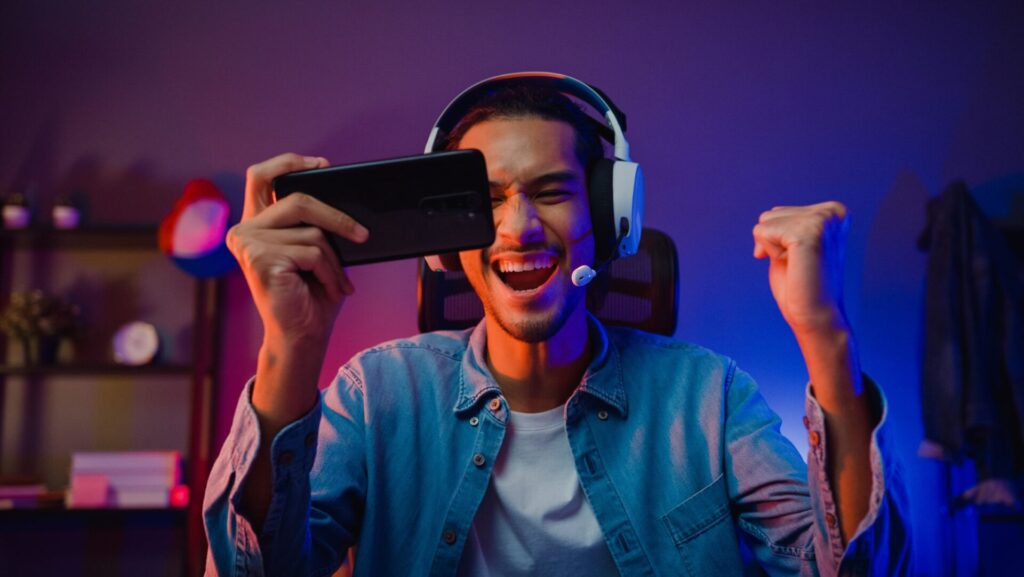
The purpose-built blockchain for gamers and NFT collectors boasts impressive scalability, handling over 23 million transactions daily and supporting the activities of 15 million users. The network is reliable and efficient, particularly in its developer portal.
How profitable is decentralized gaming for the future?
Many gamers struggle to continue playing on traditional networks due to the never-ending microtransactions and the lack of ownership over their earned assets. That’s why decentralized gaming is gaining traction, offering users the freedom to manage their in-game assets and get rewards.
Decentralized gaming comes with plenty of benefits, such as the following:
- It’s secure due to the ability to store game data on a distributed ledger, hosted by a global network of nodes;
- It offers privacy as users can sign in with their crypto wallet, so they’re not exposing personal information;
- It provides plater control as community members vote on developments and item improvements;
- It is fair by allowing developers to validate player actions and eliminating the possibility of cheating;
However, decentralized gaming also struggles with tech issues:
- Achieving scalability is challenging when trying to reach high transaction speeds and low transaction costs;
- Securing interoperability is as difficult when approaching decentralization and security;
- Adopting the technical know-how can be an issue, considering the newness of the industry;
What are some popular decentralized games you should know about?
Whether you want to play decentralized games or invest in them, the growing sector is gaining traction for many interested users. According to Binance.com Research, “Although volatility traders may see continued calm next month, as seasonal statistics show October and November are historically the two months with the lowest Bitcoin volatility, for price action traders, October is also known for reversing September’s weakness.”
Some decentralized games have become quite popular, including the following:
- Axie Infinity is a blockchain-based game where players collect, breed, and play with creatures known as Axies. The game was developed on the Ethereum blockchain and is a great game for geeks;
- CryptoKitties is also developed using the Ethereum network and was quite popular a few years ago. Gamers can collect, breed, and trade their virtual cats and earn rewards;
- Decentraland is a virtual world created within the blockchain ecosystem. Gamers can build their own virtual worlds here and buy or sell land;
What makes blockchain games more attractive than traditional ones?
Blockchain games are gaining popularity among players because they’re addressing many of the issues that the traditional gaming world is currently facing. When modern and centralized games are exposed to cyberattacks, decentralized games protect their users through the security offered by the blockchain’s features. Therefore, anything on the blockchain cannot be deleted or altered after it’s gone live.
In addition, decentralized games offer a better user experience, as these world-open games are often accompanied by tech like AR and VR, making the experience as real as possible. But what’s most important is that true ownership of in-game assets exists on the blockchain.
Final considerations
Decentralized gaming is becoming possible with the help of blockchain technology and cryptocurrency. Several assets have been especially created for this purpose, including Enjin, Tron, and Wax, and they’re laying the base for the future of gaming, where decentralization ensures transparency, fairness, and superior gaming experiences. Games like Axie Infinity, Decentraland, and CryptoKitties are already shaping the gaming sector and building innovation.