Pernithia Galnith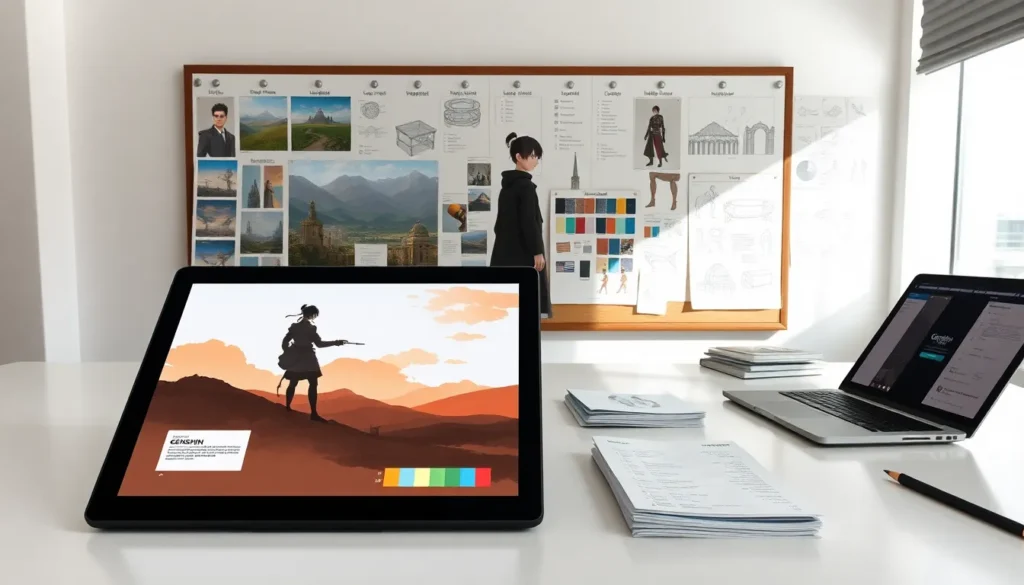
Genshin concept art shows early visual ideas for the game. The art defines characters, places, and mood. It guides the team that builds models and levels. Fans study the art to learn design choices and to copy techniques.
Key Takeaways
- Genshin concept art defines character silhouettes, color keys, and mood first, so study readable shapes and strong color contrasts to understand design choices.
- Follow the studio workflow—brief, thumbnails, silhouette tests, color/texturing, and game-scale checks—to recreate character designs accurately.
- Compare region concept releases over time to track evolving palettes, architectural cues, and lighting techniques that shape each new area’s tone.
- Practice focused studies: copy thumbnails for silhouette speed, recreate an environment with three light setups, and design props using one material with variants.
- Credit artists, label fan recreations clearly, and seek permission before selling derivative work to respect creators and avoid copyright issues.
What Makes Genshin Concept Art Distinctive
Genshin concept art mixes anime influence with painterly landscape work. The art uses clear silhouettes and strong color keys. The team often focuses on readable shapes first. They place a single figure or landmark against a large background. The art favors warm and cool contrasts to set mood.
The designs include small cultural details. The team borrows from history and fantasy. They then simplify those references so players can read them quickly. Fans can study these choices by comparing character art to environment art. A reader can compare pyro character palettes to environmental fire accents by following articles like the one on genshin pyro characters. Designers also reuse motifs across regions to create unity.
The studio often posts concept sketches that show revisions. These sketches show how the team tests silhouettes and props. A collector or fan can trace a hero from rough sketch to final splash art. The practice helps fans learn clear steps for writing and drawing their own pieces.
Evolution Of Style Across Regions And Updates
The art style shifts as the game adds new regions and updates. Each new region brings new palettes and architectural cues. The team assigns a visual leader to set the region tone. The leader sets rules for color, pattern, and scale. Artists then apply those rules to characters and props.
Early regions showed simple medieval cues. Later regions show layered cultural fusion. The art moves from bright, broad strokes to tighter, textured rendering in newer updates. Fans can track these changes by studying concept releases against in-game screenshots. They can also follow character feature posts, such as the deep-jump into genshin impact dori, to see how characters reflect their region’s vibe.
Updates bring new tools and workflows. The art gains finer texturing and more natural lighting. The team keeps the original readable shapes while adding detail.
Character Design: From Brief To Final Illustration
The team begins each character with a brief that lists role, personality, and region. The brief sets physical traits and a few cultural notes. Artists then create thumbnails to explore form and posture.
The process moves in clear steps. The team reviews early sketches. They pick one or two directions. They refine those directions into a polished illustration. They test the design at game scale to check readability.
###, Thumbnailing, Silhouette And Gesture Studies
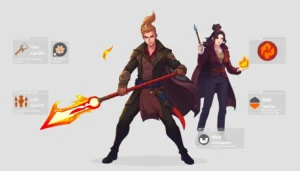
Artists sketch many small thumbnails. They focus on silhouette first. They test gestures to show emotion and intent. A clear silhouette helps players spot the character in a busy scene. The team often marks which silhouettes read best at small sizes.
###, Color, Texturing And Costume Details
Artists pick a primary color and two supporting colors. They apply textures to suggest fabric type and wear. They add small costume details to tell a short story. They check how the colors work under different lighting. Fans can practice these steps by copying costume pieces and testing contrast on simple backgrounds.
Environment And Prop Concepting Techniques
The environment team maps major landmarks first. They place focal points to guide the player eye. They then lay out secondary props and minor shapes. Artists use scale to make places feel large or intimate.
They test compositions that feel cinematic while staying playable. They reduce texture detail on distant objects to keep performance steady. The team labels key materials for the environment art so the modelers and texture artists can match them. Fans can practice by building simple dioramas from concept images and by focusing on one material at a time.
###, Moodboards, Lighting, And Cinematic Composition
Artists create moodboards with photos, paintings, and color swatches. They pick a dominant light direction. They place a clear light source to shape forms. They frame scenes with foreground, middle ground, and background. This technique helps the team keep shots readable and striking. Readers who want concrete examples can pair these lessons with the heavenly principles genshin resource to see how lighting and scale affect mood.
Key Artists, Studios, And Production Workflow
Key artists set the tone and mentor junior staff. The studio divides tasks into concept, modeling, texturing, and lighting. Each team passes a clear asset brief to the next team. The concept team supplies orthographic and color notes. The modelers follow those notes and mark required LODs. The texture artists match palette chips and material labels.
The studio uses iterative review cycles. Each cycle adds detail and fixes readabilty issues. The lead approves assets for pipeline handoff. Fans can follow artist interviews to learn individual approaches. They can also find references to specific characters like genshin impact melusine to see an artist’s signature choices.
How To Study, Recreate, And Improve As A Fan Artist
A fan should set clear study goals. The fan should copy small studies, not entire pieces. The fan should analyze silhouette, color, and texture separately. The fan should time their studies to build speed and confidence.
They should also share work for critique and iterate on feedback. They should treat one project like a mini production and follow steps like the pros. They should balance study with original work that applies learned rules.
###, Practical Exercises And Project Ideas
Copy five character thumbnails in one hour to train silhouette reading. Recreate one environment with three light setups to learn lighting. Design a prop set that uses one material and three variants to learn texturing. Build a short portfolio page that shows process, not just final images. Fans can read tips for iterative projects and tools in posts like the genshin impact team builder. They can also study playful elements such as slime genshin impact to practice simple shapes and textures.
Ethics, Attribution, And Using Concept Art Responsibly
The community should credit artists when reposting concept art. The community should not pass official art as personal work. A fan who recreates official pieces should add clear labels that state their changes. The community should ask permission before selling fan items that copy official designs.
Platforms often enforce copyright claims. The community should follow fair use rules and platform guidelines. When in doubt, the community should link back to the original artist or source. This practice helps creators and keeps the fan scene healthy.