Pernithia Galnith
The global esports landscape has undergone a radical financial transformation over the last decade. What began as small–scale competitions in local internet cafes has evolved into a multi–billion dollar industry that rivals traditional sports in terms of viewership and commercial potential. Today, the wealthiest esports organizations are no longer just groups of players – they are global media conglomerates, lifestyle brands, and technology innovators. Their wealth is not merely a product of tournament winnings; it is built on a foundation of massive sponsorship deals, venture capital, merchandise empires, and diversified digital assets.
As we move through 2026, the gap between the elite tier of organizations and the rest of the field is widening. These “digital empires” have mastered the art of monetizing attention in an era where traditional media is struggling to reach younger demographics. To understand who truly holds the power in this space, we must look at their enterprise value – a metric that combines liquid assets, brand equity, and future earning potential. Below is an analysis of the top five richest and most influential esports teams currently dominating the global market.
The Titans of the Digital Arena: Financial Leaders of 2026
The wealth of these organizations is staggering, often exceeding the valuations of established professional teams in traditional leagues like the NHL or MLS. While prize money is the most visible sign of success, the real capital lies in the infrastructure these clubs have built:
-
Team Liquid: Widely considered the most successful organization in history regarding cumulative earnings. With total prize money exceeding $57 million and a massive roster of 154 players across nearly 30 disciplines, Liquid is a model of corporate stability and competitive diversity. Their partnership with Disney and their state–of–the–art training facilities in Los Angeles and Utrecht make them a financial juggernaut.
-
TSM (Team SoloMid): Despite market fluctuations, TSM remains a valuation leader, largely due to its massive digital footprint. Beyond their competitive teams, they own high–traffic web platforms and coaching applications like Blitz.gg, which provide a steady stream of non–competitive revenue.
-
Team Falcons: Representing the massive influx of Middle Eastern capital into the scene, Falcons have shown the most aggressive growth in recent years. With 35 active rosters and over $12 million in earned prizes in a very short period, they are leveraging sovereign wealth to build an instant global powerhouse.
-
FaZe Clan: Though its journey on the public stock market was turbulent, FaZe remains one of the world’s most valuable lifestyle brands. Their wealth is driven by a unique convergence of gaming, street fashion, and celebrity culture, boasting a social media reach that dwarfs almost every other team combined.
-
Cloud9: Known for their operational efficiency and permanent spots in the most lucrative franchised leagues like the LCS and Valorant Champions Tour. Cloud9 has perfected the “academy” model, developing young talent and securing blue–chip sponsorships from automotive and tech giants.
The financial strength of these top five organizations demonstrates that the industry has moved past its “start–up” phase and into an era of professionalized corporate management. These teams do not just play games – they manage massive data sets, produce high–end cinematic content, and act as gatekeepers to the Gen Z and Gen Alpha audiences.
The strategy of diversification is the common thread among these leaders. For instance, Team Liquid’s 169 streamers ensure the brand is visible 24/7, even when no major tournaments are taking place. This constant presence creates a “perpetual marketing machine” that attracts non–endemic sponsors like Honda or SAP. Furthermore, the convergence of different forms of digital entertainment is becoming a key revenue driver. As fans of these elite teams seek more ways to engage with their favorite competitive environments, they often look for platforms that mirror the high–stakes energy and visual polish of a professional esports broadcast. In response to this demand, many users are exploring high–end leisure hubs like Wincraft Casino, where the immersive MMO–inspired design and sophisticated reward systems provide a seamless transition from watching a pro match to experiencing a high–quality digital thrill themselves. This illustrates how the “esports aesthetic” – characterized by rapid feedback loops and premium UI – is now setting the standard for the entire digital entertainment industry.
Revenue Streams: How Digital Empires Generate Wealth
The “richest” teams have evolved their business models to ensure they are not dependent on the whims of a single game developer or the unpredictability of a tournament result. In 2026, the revenue architecture of a top–tier team is divided into several sophisticated channels. Sponsorships remain the largest slice of the pie, but the nature of these deals has changed. We are no longer seeing just “logo on a jersey” agreements; instead, we see deep technical integrations where hardware companies test their latest prototypes with pro players.
Media rights also play a significant role. While many tournaments are free to watch, the “behind–the–scenes” access and exclusive documentaries produced by teams like Vitality or 100 Thieves are sold to streaming giants or monetized through private fan clubs. Digital goods, such as in–game “skins” or stickers that bear a team’s logo, generate millions of dollars in passive income, especially in titles like Counter–Strike 2 or League of Legends. This creates a direct financial link between the developer, the team, and the fan, turning the player base into a literal shareholder of the team’s success.
The Impact of Global Investment and Sovereign Wealth
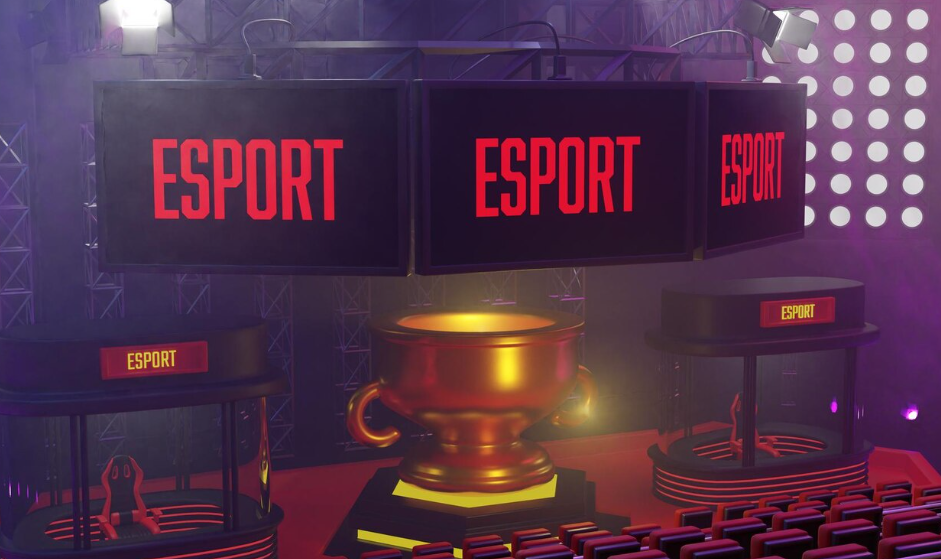
A major factor in the ballooning valuations of teams like Team Falcons and Twisted Minds is the strategic shift of global investment toward the Middle East. Countries like Saudi Arabia have identified esports as a pillar of their future “Post–Oil” economies. This has resulted in the creation of massive hubs and tournament circuits with prize pools that were previously unimaginable.
For the top teams, this means a massive increase in “enterprise value” based on their participation in these elite circuits. When an organization like Team Falcons competes in 988 tournaments, as the data suggests, they are not just looking for trophies – they are building a global data profile that makes them an essential partner for any tech company looking to enter the gaming space. This influx of capital has professionalized the “scouting” and “training” aspects of the business, with teams now employing full–time nutritionists, sports psychologists, and data scientists to ensure their “human assets” perform at their peak.
The Future of Esports Wealth: Beyond the Screen
Looking forward, the richest teams are likely to transition into “Spatial Computing” and the Metaverse. We are already seeing the first steps of this with virtual stadiums and digital meet–and–greets. The wealthiest organizations will be those that own the virtual land and the digital assets that fans interact with.
As the boundaries between gaming, social media, and traditional entertainment continue to dissolve, the top 5 teams will likely become the “Disney” or “Warner Bros” of the digital age. They are building a legacy that is independent of physical borders, fueled by a global community that values digital performance as much as physical athletic prowess. The financial records being set today are likely just the beginning, as the next generation of 5G and 6G technology makes these immersive digital experiences even more accessible to a global audience.
Conclusion
The list of the “Top 5 Richest Esports Teams Right Now” is a snapshot of a rapidly moving target. While names like Team Liquid and TSM currently lead the way, the aggressive growth of organizations like Falcons shows that the landscape can change in a single season. However, the underlying principles of their wealth – diversification, digital ownership, and high–end engagement – will remain constant. These organizations have proven that esports is a viable, high–margin business that is here to stay, reshaping the future of global entertainment one tournament at a time.