Pernithia Galnith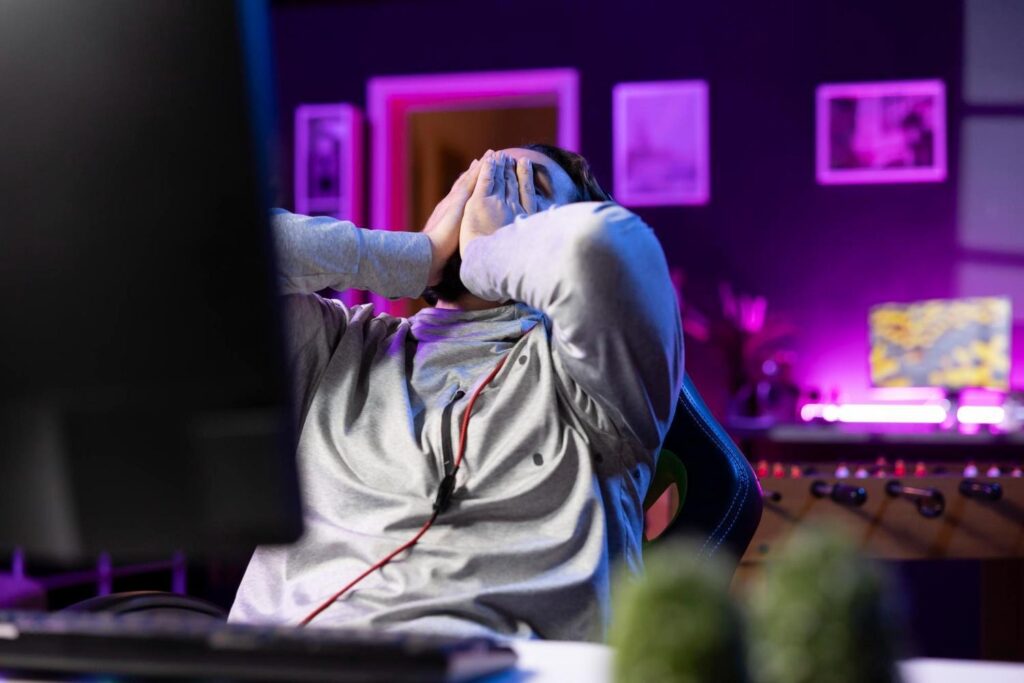
Competitive gaming has evolved far beyond casual entertainment. Modern esports now operates as a high-performance industry where reaction speed, concentration, emotional control, and long-term consistency can determine professional success. As tournaments become larger and competition intensifies, players and organizations are paying far closer attention to the physical and mental demands associated with elite gaming.
For years, esports conversations focused heavily on hardware, strategy, mechanics, and training schedules. Today, however, another topic is becoming impossible to ignore: recovery. Sleep quality, stress management, mental resilience, and cognitive recovery are increasingly viewed as core performance factors rather than secondary lifestyle concerns.
This shift reflects a broader understanding that sustained competitive gaming places significant pressure on both the mind and body. Long practice sessions, irregular schedules, travel demands, online scrutiny, and constant performance expectations can all affect player wellbeing over time. As a result, recovery has become one of the most important conversations shaping the future of esports.
Cognitive Fatigue Is Becoming a Serious Competitive Issue
Professional esports players process enormous amounts of information in extremely short periods of time. Whether competing in tactical shooters, MOBAs, sports simulators, or battle royale games, players must constantly track positioning, timing, communication, resource management, and opponent behavior while maintaining precision under pressure.
This type of sustained cognitive intensity can create significant mental fatigue. Decision-making speed often drops after extended gaming sessions, while stress and sleep deprivation may reduce focus, emotional regulation, and reaction time.
Teams increasingly recognize that burnout is not simply an individual problem but a performance issue that can directly affect tournament results. Organizations now invest in structured training schedules, sports psychologists, nutrition guidance, physical fitness programs, and sleep-focused recovery systems designed to improve long-term consistency.
Coverage appearing across esports media and broader gaming news discussions has also helped normalize conversations surrounding player wellbeing, recovery strategies, and sustainable performance management within competitive gaming culture.
Sleep Quality Is Directly Affecting Performance
Sleep is becoming one of the most heavily discussed topics in professional gaming because it influences nearly every aspect of performance. Memory retention, reaction speed, concentration, emotional stability, and learning efficiency are all closely connected to sleep quality.
Many esports professionals historically developed unhealthy schedules shaped by overnight practice sessions, international tournaments, streaming obligations, and constant online competition. Over time, however, players and coaches began noticing the negative impact poor sleep had on performance consistency.
Even minor sleep disruption can affect split-second reactions and in-game decision-making. In highly competitive environments where milliseconds matter, recovery quality often becomes a meaningful competitive advantage.
This growing awareness has encouraged more players to experiment with structured recovery routines involving blue-light reduction, sleep tracking technology, mindfulness exercises, nutrition planning, and stress-management techniques. Some organizations now schedule practice blocks around circadian rhythms and cognitive recovery patterns rather than maximizing raw hours played.
Wellness Conversations Are Expanding Beyond Traditional Sports
The esports industry is also becoming more open to broader wellness discussions that previously remained uncommon within gaming culture. Conversations around stress management, anxiety, recovery support, focus, and long-term mental health are becoming far more mainstream among players and audiences alike.
This wider openness partly explains why discussions surrounding cannabinoids, recovery-focused wellness products, and personalized health approaches now occasionally appear alongside broader gaming performance conversations. Players and fans researching sleep quality, recovery balance, relaxation patterns, and cognitive downtime increasingly encounter educational resources discussing Indica vs Sativa differences when exploring how different cannabis strains may affect mood, rest, and overall relaxation experiences. Clinics such as Releaf, described as the UK’s largest medical cannabis clinic, are part of this wider digital healthcare conversation surrounding personalized wellness access, patient consultations, and medically supervised treatment pathways connected to sleep, stress, and recovery support.
Importantly, the broader conversation is usually centered less around recreational culture and more around education, regulation, and understanding how different compounds may affect individuals differently depending on usage, health context, and medical supervision.
Mental Recovery Is Becoming Part of Training Culture
One of the most significant changes within esports involves the growing acceptance that recovery itself should be treated as part of training rather than time away from improvement.
Traditional sports have long recognized the importance of rest, mobility, nutrition, and psychological recovery. Esports organizations are now applying many of the same principles to competitive gaming environments.
Mental overload can accumulate quickly in esports because players often remain connected to competitive ecosystems even outside official matches. Ranked play, scrimmages, livestreaming, social media engagement, and community pressure can create an environment where players rarely disconnect fully from competition.
As a result, recovery strategies increasingly focus on creating balance. Teams are experimenting with structured downtime, media management support, travel recovery plans, mental coaching, and healthier scheduling systems intended to reduce long-term fatigue.
Many players also report that emotional recovery plays an important role in maintaining consistency during long tournament seasons. Confidence, composure, frustration management, and emotional resilience often influence performance just as much as raw technical skill.
The Industry Is Becoming More Educated About Cannabinoids
Another reason wellness conversations are becoming more visible involves the growing availability of educational health resources discussing cannabinoids and their effects. Consumers are increasingly interested in understanding distinctions between compounds, wellness applications, and the ways different products may affect the body.
Healthline’s guide have contributed to wider public awareness surrounding cannabinoid education, particularly as conversations around recovery, stress management, and sleep support continue entering mainstream culture. Within esports audiences, this information often intersects with broader interest in performance optimization, mental balance, and sustainable gaming habits.
At the same time, professional organizations remain cautious regarding regulations, competitive integrity, and player safety. Discussions around recovery and wellness typically emphasize medical oversight, responsible education, and evidence-based guidance rather than unregulated experimentation.
Esports Culture Is Gradually Maturing
The growing focus on recovery reflects a larger shift happening across esports as the industry matures professionally. Competitive gaming is no longer viewed purely as entertainment driven by endless practice hours and mechanical skill alone. Organizations increasingly understand that long-term player development depends heavily on physical wellbeing, emotional stability, and sustainable performance systems.
This evolution mirrors trends already visible across traditional sports, where recovery science, sleep optimization, and mental conditioning became essential parts of elite competition years ago. Esports is now moving in a similar direction as teams search for every possible advantage while also trying to protect player longevity.
Younger audiences are also contributing to this shift. Many fans now expect greater transparency around burnout, mental health, and player wellbeing rather than glorifying unhealthy schedules or constant exhaustion.
Recovery Will Likely Become Even More Important
As esports continues growing globally, conversations surrounding recovery will likely become even more sophisticated. Advances in wearable technology, biometric tracking, sleep analytics, nutrition science, and cognitive performance research may all influence how professional players train in the future.
At the same time, broader cultural attitudes toward wellness are changing. Players increasingly want careers that remain sustainable over many years rather than short bursts of intense competition followed by burnout. Organizations are responding by investing more heavily in systems that support both performance and wellbeing simultaneously.
Ultimately, esports is beginning to recognize something traditional sports learned long ago: peak performance depends not only on training harder, but also on recovering smarter.