Mirathor Quellith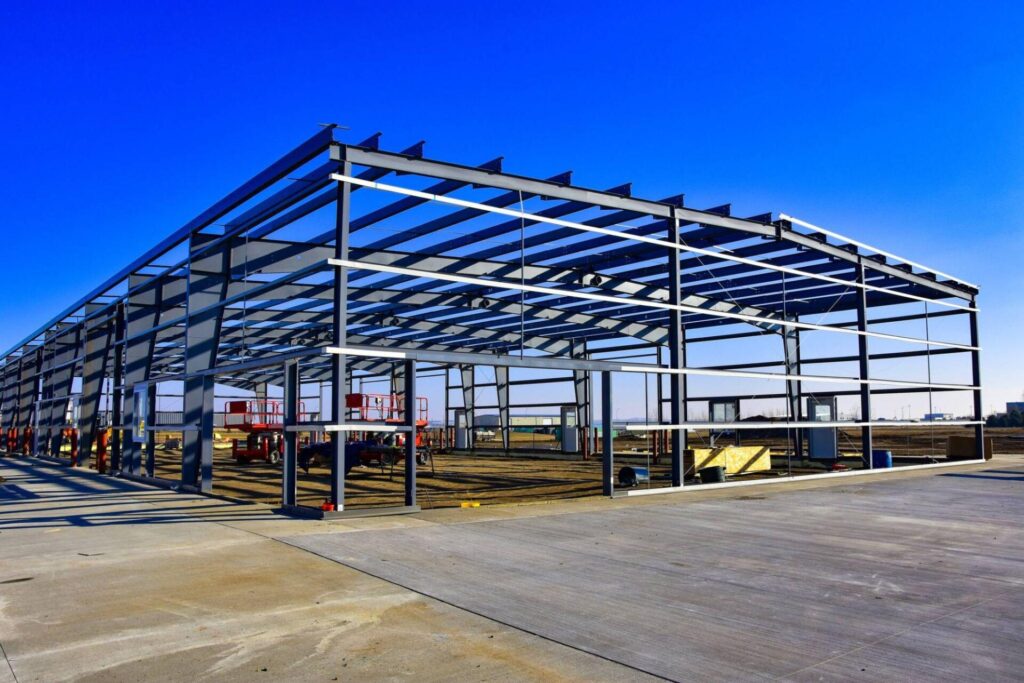
A durable structure begins with careful planning. Every element, from layout to materials, affects strength, cost, and efficiency. Be it a warehouse, workshop, or storage unit, a clear plan makes construction smoother and more organized. With the right approach, even complex projects feel manageable and focused.
When building a metal building, each step plays a vital role. Define your purpose, set a budget, and map out the design before construction begins. Choosing the right roof style, insulation, and door placement early ensures better performance and cost savings. Strong planning leads to long-term reliability and fewer complications later. This guide breaks down the main steps so you can approach your project with confidence and purpose.
Step 1: Define Your Project Goals
Start by identifying what you need from your structure. Are you storing equipment, housing livestock, or creating a workspace? Each purpose affects the size, design, and ventilation requirements. Once you define your goals, list out must-have features such as insulation, natural lighting, or climate control.
Clear objectives help you choose the right type of frame and foundation. Think about future expansion, too, so your design remains adaptable. A well-defined goal ensures your building serves its intended function without unnecessary modifications down the line.
Step 2: Plan the Layout and Site Design
The layout of your metal structure determines its function and flow. Map out how you want to use the space and where key elements like doors, windows, and equipment should go. Consider accessibility, vehicle entry, and safe walkways around the property.
Key site factors to review:
● Land slope and drainage patterns.
● Sun exposure and prevailing winds.
● Proximity to utilities and access roads.
Step 3: Choose the Right Materials and Frame
Your choice of materials affects durability and maintenance. Steel frames remain a top option for strength and longevity. They can handle heavy loads, resist weather damage, and reduce long-term upkeep costs.
Key frame types to consider:
- Rigid Frame: Ideal for large industrial or commercial projects.
- Arch Frame: Suited for storage spaces or agricultural use.
- Single Slope Frame: Perfect where drainage or space constraints exist.
Step 4: Secure Permits and Design Approvals
Before you move forward, confirm your project complies with local building codes. Most areas require permits to ensure safety and zoning compliance. Submitting accurate drawings and site plans helps streamline the approval process.
Be sure to include:
● Foundation details and dimensions.
● Structural load calculations.
● Electrical or plumbing layouts, if applicable.
Step 5: Schedule Construction and Final Setup
Once your materials and approvals are in place, it’s time to organize the build. Begin with the foundation, followed by the frame, roofing, and wall panels. Keep track of each step to ensure timelines stay on schedule.
Tips for a smoother process:
● Hire professionals familiar with pre-engineered steel structures.
● Inspect each phase to confirm alignment and secure fittings.
● Plan interior finishes only after the main frame passes inspection.
Building a metal building is a process that rewards patience and detail. From defining your purpose to selecting the right materials and permits, each step strengthens the final result. When airflow, insulation, and space are well-coordinated, your building performs at its best. With thoughtful preparation and consistent follow-through, your steel structure can stand strong and reliable for decades to come.