Why Younger Demographics Are Rejecting Traditional Debit Cards for Online Purchases
 Pernithia Galnith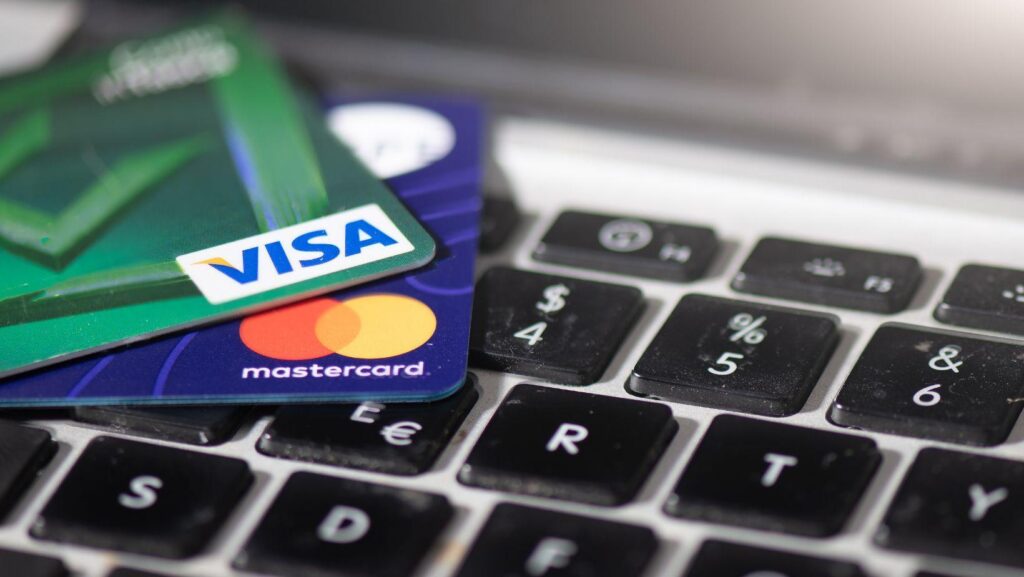
For a very long time, that little piece of plastic in your wallet was the only way to buy anything on the internet. You would spot an item you liked, hunt down your purse, and then painstakingly type out sixteen digits, a valid-to date, and a security code. Carrying a bulky leather wallet is rapidly becoming a habit of the past for many people. Younger generations are now leaving their debit cards gathering dust in a drawer, assuming they even requested a physical card in the first place. Teenagers and adults in their twenties are completely rewriting the rules of online shopping. They prefer payment options that are lightning-fast and actually suit someone who spends half their day on a smartphone. Consequently, the traditional high-street banks are having to fight off some incredibly clever new finance apps.
Swapping Plastic for Digital Wallets
Rather than relying on clunky bank infrastructure, younger shoppers heavily favour digital wallets like Apple Pay and Google Pay. These platforms keep payment information locked securely on a smartphone, which means a purchase only takes a quick double-click and a biometric scan (e.g., Face ID or a fingerprint). Since most young adults run their entire lives from their phones, having their primary payment method live on that exact same device makes total sense. Typing out a long string of numbers feels incredibly tedious to a demographic raised on high-speed broadband and instant connectivity. These wallets also sync across laptops and smartwatches, making the whole checkout process incredibly smooth. People can leave the house with just their keys and a phone, knowing they can still buy whatever they need.
Seamless Integration with Entertainment
If someone wants to grab a new outfit for their gaming character, renew a TV subscription, or put a quick bet on the Saturday football, they want it done instantly. Nobody wants to pause their game to hunt for a wallet, especially since typing card details using a console controller or a TV remote is incredibly frustrating. That explains why pay by phone bookmakers are popping up everywhere lately, as they let punters stick small deposits straight onto their monthly phone bill. By ditching the need to type out long bank details, these sites offer a much quicker route to the action. Micro-transactions need speed above all else, so a clunky checkout just ruins the mood.
Security Concerns and Data Privacy
You can hardly check the news without seeing another story about a massive data leak. Because of this, younger adults guard their personal info quite fiercely. Typing your actual bank details into countless random websites just feels like asking for trouble. Anyone who has ever had to cancel a compromised card and wait a week for a replacement in the post knows how annoying it is. Alternative payment methods step in to act as a barrier between your hard-earned cash and the online shop.
So, skipping the plastic card is usually a smart security move rather than pure laziness. Privacy matters, and modern tech respects that.
The Demand for Instant Gratification
Patience is a rare commodity on the internet. If a checkout process takes too long or requires someone to get up and find a card reader, they will probably just abandon their cart. People in their twenties and thirties are totally used to one-click checkouts, so any delay at the till is a massive turn-off. Modern payment apps are built specifically to smash through those annoying barriers. They handle the money stuff in milliseconds, which means you can get straight back to your movie, game, or shopping spree without staring at a loading screen.
Budgeting without the Bank Hassle
High-street banking apps can be notoriously slow to update your balance. That lag makes it surprisingly tricky to track your spending on a busy weekend, often leading to anxiety over pending transactions. Younger shoppers usually lean towards modern financial apps that ping your phone the second you spend a penny, often grouping your purchases into neat little charts. Lots of these newer apps include clever budgeting tools to help you manage your cash much better than a basic bank account ever could. You can set your own limits, keep an eye on sneaky subscriptions, and dodge those awful overdraft fees.
Ditching traditional debit cards shows a clear preference for speed, safety, and digital ease among younger shoppers. As tech keeps moving forward, the old financial institutions will have to work much harder to stay relevant in a society that lives on its smartphones.