Bruce Dias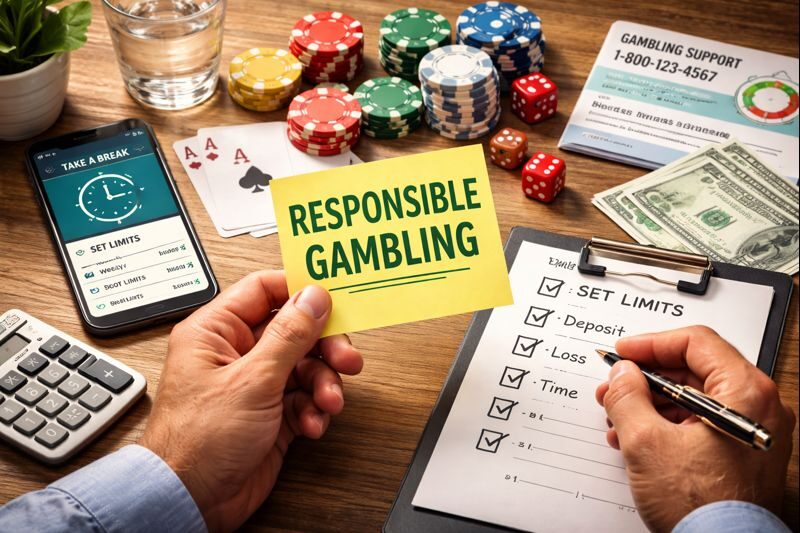
(Alt-text: Hands hold a “Responsible Gambling” note beside a limits checklist, poker chips, cards, and a phone reminder to take a break, highlighting safer play habits.)
When people say a casino is “trusted,” they usually mean one thing: it behaves fairly when money is involved. That includes clear rules, safe payments, and withdrawals that don’t turn into a stressful surprise. But “trusted globally” adds another layer—because the experience can change depending on where a player lives, what payment methods are available, and how the casino enforces location rules.
Instead of relying on star ratings or flashy welcome offers, it’s better to use a simple checklist that works in any market. This guide focuses on what actually affects players: eligibility, transparency, payouts, support, and safety tools.
If you also want a quick reference you can share alongside reviews, this responsible gambling guide and resources page is a helpful addition for readers who want to play in a safer, more controlled way.
1) Clear eligibility and country restrictions
A trusted global casino is upfront about where it operates. You should be able to find an “eligibility” or “restricted countries” section without digging through multiple pages.
Why this matters: some casinos let you browse and even register, but later block your account during verification or withdrawal if your residency is restricted. A casino that hides these rules creates avoidable problems for players.
A quick check before signing up is to scan the terms for words like “restricted,” “territories,” or “jurisdictions.” If the rules are unclear, that’s already a trust warning.
2) Licensing you can understand, not just a logo
A “trusted” casino doesn’t rely on a badge alone. It provides licensing and operator information clearly, including who runs the site and where it’s regulated.
You don’t need to be an expert to do a basic trust check. The goal is simply to confirm that:
- The operator identity is visible (not hidden behind generic brand wording)
- licensing information is presented consistently across the footer and terms
- policies feel like they belong to a regulated environment (verification rules, dispute handling, player protection)
If the casino’s ownership and licensing details are vague, treat that as a high-risk signal.
3) Withdrawals explained in plain language
Withdrawals are where trust is either earned or lost. A globally trusted casino makes cashout rules easy to find and easy to understand.
Before depositing, look for clear answers to:
- minimum and maximum withdrawal limits
- expected processing times (not just “fast”)
- whether fees apply (or currency conversion costs)
- whether withdrawals must go back to the same payment method
If the casino avoids specifics and leans on marketing words, that often shows up later as delays or confusion.
4) Bonus terms that don’t feel like a trap
Bonuses aren’t automatically bad—but confusing bonuses are. Trusted casinos make bonus rules readable and realistic.
Before claiming any offer, check the key parts:
- wagering requirement (how many times you must play through)
- time limit to complete wagering
- game restrictions (some games count less)
- maximum cashout rules (especially common for free spins/no-deposit deals)
If the rules are overly complex or easy to misunderstand, your “bonus value” is probably lower than it looks.
5) Predictable verification (KYC), not surprise roadblocks
Verification is normal in online casinos. The trust signal isn’t “no KYC.” The trust signal is that KYC is explained clearly and applied consistently.
A casino feels more trustworthy when it sets expectations up front:
- when verification is required (often before withdrawal)
- what documents are needed (ID and proof of address)
- how long does it typically takes
- what happens if details don’t match
Most KYC issues come from mismatched information that players could have avoided if the casino explained the requirements clearly from the start.
6) Payment methods that match your region
A casino can be “global” in marketing, but still limited in practice. One of the easiest ways to spot this is by comparing deposit options and withdrawal options.
A common frustration is when a casino supports many deposit methods but only a few withdrawal methods. Trusted casinos make these rules clear before you put money in, especially if certain options are deposit-only in some regions.
If you’re reviewing a casino for a global audience, this is a key area to call out, because the player experience depends heavily on local payment support.
7) Customer support that solves problems (not just replies)
Support matters most when something goes wrong: a delayed withdrawal, a verification question, or account access issues. A trusted casino usually provides clear support channels and reasonable expectations for response times.
A simple trust test is to ask for support for a basic question before depositing, such as:
- “What documents are required for withdrawals?”
- “What are the typical withdrawal processing times?”
- “Are there fees or limits on cashouts?”
You’re not only checking the answer—you’re checking how fast they respond and whether the reply is clear and direct.
8) Safer gambling tools that are easy to find and use
A casino isn’t truly trusted if it ignores player safety. At a minimum, safer gambling tools should be visible and usable, not buried in small footer links.
Look for practical features like limits, time-outs, and self-exclusion, and whether the casino makes support options easy to access. If you want a recognized external reference for readers, link to safer gambling tools and advice, which highlights common tools like limit setting and taking breaks.
This also helps reviewers keep standards consistent: if a casino offers strong tools and makes them easy to use, that’s a trust signal—because it shows the operator supports safer play, not just spending.
9) Consistency across pages and policies
One underrated trust check is consistency. A casino can look professional on the homepage but fall apart in the fine print.
Scan for contradictions like:
- “instant withdrawals” claims that don’t match the withdrawal policy
- “available worldwide” messaging that conflicts with restricted country rules
- bonus terms that change depending on which page you read
Trusted operators don’t rely on mismatches or confusion.
A simple checklist you can use in minutes
If you want a fast routine that works globally, use this order:
- Check eligibility and restricted countries
- Confirm licensing/operator info is clear
- Read withdrawal rules (limits, timing, fees)
- Skim KYC requirements
- Review bonus rules only if you plan to claim one
- Confirm that safer gambling tools exist and are easy to access
Final thoughts
A “trusted global casino” isn’t defined by the biggest bonus or the loudest marketing. It’s defined by clear rules, predictable withdrawals, region-friendly payments, real customer support, and visible player protection. If you run through this checklist before you register or recommend, you avoid most of the common surprises that frustrate players—and you choose based on how the casino behaves, not how it advertises.
URL slug: trusted-online-casino-global-checklist
Meta description: Use this practical checklist to judge if an online casino is trusted globally—clear licensing, fair terms, withdrawals, support quality, and safety tools.