England’s Six Nations 2026 campaign: fixtures, challenges and how England must approach each test
 Mirathor Quellith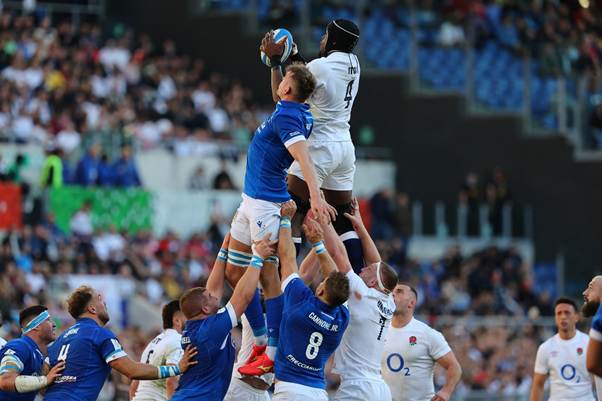
England’s 2026 Six Nations campaign features five crucial rounds, with two home games followed by three tough away trips. How they handle this schedule could define their entire tournament — and it will shape plenty of sports betting opportunities along the way.
Here’s the breakdown of the fixtures and how England should approach each match.
Round 1 – England vs Wales (7th February, Twickenham)
England’s opener against Wales at Twickenham should be straightforward on paper. Wales lack the depth and consistency of past eras, but this fixture never follows the script.
England need to set the tone early. Win the aerial battle, dominate the set piece and force Wales deep. Wales thrive on emotion and disruption, so England’s job is to drain that energy quickly.
The key is to avoid over-ambition. Build through phases, apply pressure and trust the kicking game. A fast start helps, but composure matters more. This is about control.
Round 2 – Scotland vs England (14th February, Murrayfield)
Trips to Murrayfield have become increasingly uncomfortable. Scotland are settled, confident and well-drilled. They don’t need domination – they just need rhythm.
Though they’re only fourth favourites for the title, Scotland are one of the tournament’s most settled sides. They know their identity, they know how to execute it, and they’ve got the quality to derail any team’s ambitions.
England must be physical and precise here. Win collisions early, slow Scotland’s ball and remove their tempo. Let them build rhythm, and it’ll be a long afternoon.
Round 3 – England vs Ireland (21st February, Twickenham)
This is the big one. Ireland remain one of the world’s strongest sides and one of the Six Nations’ benchmark teams as third favourites. They’re cohesive, ruthless and relentlessly accurate.
England need to be realistic. They won’t outplay Ireland for 80 minutes. Instead, they should disrupt Ireland’s rhythm at the breakdown, contest relentlessly in the air and be clinical when chances appear.
Ireland will enjoy spells of control – that’s inevitable. England’s focus must be on staying connected and mentally resilient when the pressure builds. Survive those periods, and opportunities will come.
Round 4 – Italy vs England (7th March, Rome)
On paper, this should be England’s most comfortable fixture. Italy sit bottom of the contenders list and carry a long history of failing to convert promise into results.
But expectation can be dangerous. Italy are no longer an easy opponent, particularly at home. They’ve shown they can punish lapses in concentration and discipline.
The risk isn’t Italy’s ambition – it’s complacency. Treat this as a formality, and problems follow. Approach it with focus and authority, and England should control what they need to.
Round 5 – France vs England (14th March, Paris)
England finish with the toughest test of all: Paris. They will face last year’s champions and this year’s tournament favourites in what could be a title decider.
France combine individual brilliance with a well-rounded team strategy that’s served them perfectly in recent campaigns. They can dominate physically and exploit space from anywhere. At the Stade de France, momentum shifts rapidly, and France are lethal when games become loose.
England must focus on control. Accurate kicking, relentless chase and denying broken-field opportunities are essential. Discipline is critical – penalties invite scoreboard pressure and crowd influence.
If England can keep the game structured, limit space and stay composed when France apply pressure, they’ve got a chance. Allow chaos to creep in, and France will take the game away from them.