Mirathor Quellith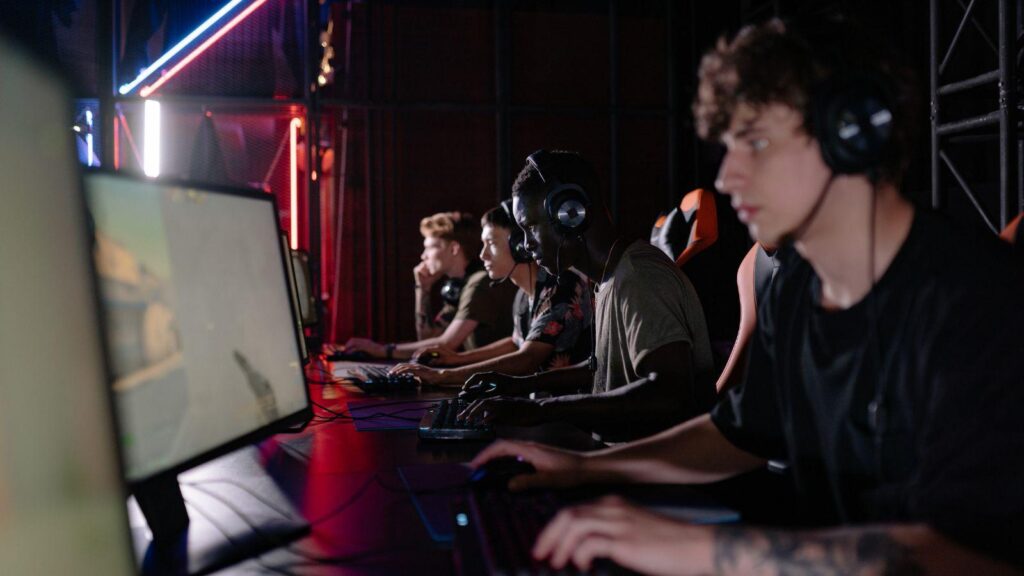
Esports has moved far beyond the idea of people simply watching others play video games. It is now a global entertainment space built around elite competition, team identity, fan communities, live events, digital culture and constant conversation. For many younger fans, esports sits naturally beside traditional sport, streaming, social media and gaming news.
That is why sites such as esports.com and other competitive gaming platforms matter. Fans want fast updates, tournament coverage, roster moves, match previews, player interviews and clear explanations of what is happening across games such as League of Legends, Counter-Strike 2, VALORANT, Dota 2, Fortnite, Call of Duty and EA Sports FC. The wider ecosystem also includes sponsors, creators, merch drops, watch parties and brands such as BetGoodwin, but the real story is how esports has built its own culture.
The appeal is not difficult to understand. Esports gives fans the tension of live sport, the personality of streaming and the deep strategy of gaming. A single round, draft, clutch play or final teamfight can shift the mood of thousands of viewers at once.
Esports is built around moments
The best esports events are remembered through moments. A last-second defuse. A perfect ultimate. A bold draft pick. A player holding a difficult angle under pressure. A team reversing a series that looked lost.
These moments travel quickly because esports is native to the internet. Clips spread across X, TikTok, Reddit, YouTube and Discord within minutes. A fan does not need to watch a whole five-hour broadcast to understand why a play mattered. One clip can carry the story.
That makes esports different from many older sports. It is built for live viewing, but it is also built for replay, reaction and discussion. The audience keeps the event alive long after the match ends.
The audience understands the detail
Esports fans are often highly informed. They do not just watch scores. They understand patches, balance changes, maps, agents, champions, loadouts, economy management, rotations and team styles.
That level of knowledge changes how esports content works. A basic match report is useful, but fans often want more. They want to know why a draft failed, why a roster change matters, why a coach changed a strategy, or why a certain player looks stronger after an update.
This is where specialist coverage becomes valuable. Esports is not one sport. It is many different competitive scenes sitting under one umbrella. A League of Legends fan may not follow CS2 closely. A VALORANT viewer may not understand Dota 2 drafting. A strong esports publication helps make those scenes easier to follow.
Teams now have global identities
Esports teams have become brands in their own right. Organisations such as T1, G2, NAVI, Team Liquid, Fnatic, Cloud9, Gen.G and FaZe Clan are recognised far beyond one game. Some fans follow the organisation across multiple titles. Others care most about a single roster.
This creates a different type of loyalty. Traditional sports teams are often tied to place. Esports teams are usually tied to identity, players, content and competitive history. A fan in London, Seoul, Berlin or São Paulo can support the same organisation without needing a local connection.
That global structure gives esports a wide reach, but it also creates pressure. Teams must perform, entertain, communicate and keep fans engaged between events. Results matter, but so do content, personality and community.
Players are athletes and creators
The modern esports player is not only judged by performance. Many are also expected to appear in content, stream, build a personal brand and speak to fans.
That can be powerful. A player with a strong personality can bring people into a game or team. Interviews, behind-the-scenes videos and streams help fans feel closer to the competition.
But it also creates pressure. Esports careers can be short, and the schedule can be intense. Players need practice, review sessions, scrims, travel, media work and mental focus. The best organisations now understand that player wellbeing is not optional. It affects performance.
A strong esports scene needs healthy players, not just talented ones.
Live events have changed perceptions
Online broadcasts built esports, but live events gave it scale. A packed arena changes how competitive gaming is seen. The walkouts, crowd chants, stage lighting and pressure of playing in front of thousands all add weight.
For new viewers, live events can make esports click. The energy feels closer to a major sporting final than a casual gaming session. Fans wear jerseys, bring signs, chant player names and react to every key play.
That atmosphere is important because it shows that esports is not only digital. It has physical spaces too. Arenas, fan zones and festival-style weekends help turn major tournaments into shared experiences.
Game publishers shape the future
Unlike traditional sports, esports depends heavily on game publishers. A football cannot be patched. A game can. A publisher can change the rules, adjust the meta, alter the competitive calendar or end support for a title.
This gives esports a unique challenge. The health of a competitive scene depends on game design, developer support, tournament structure and long-term community trust.
Some games have managed this well. League of Legends, Counter-Strike, Dota 2 and VALORANT have built strong competitive ecosystems with regular events and clear fan interest. Other games have struggled because the publisher moved too quickly, failed to support the scene or could not keep players engaged.
For esports to grow, the game itself must remain worth playing and worth watching.
Why strategy makes esports compelling
People sometimes misunderstand esports because they only see the surface. Fast movement, bright effects and unfamiliar terminology can make it look chaotic. But the deeper appeal is often strategic.
In CS2, economy management can decide how a team approaches several rounds ahead. In League of Legends, one objective trade can change the whole map. In VALORANT, utility usage can matter as much as aim. In Dota 2, drafts and item timings can define the match before the final fight.
That depth rewards regular viewers. The more someone understands, the more they notice. Esports becomes more interesting over time because the viewer learns to read the game.
Mobile esports is expanding the audience
Mobile esports has also changed the global picture. In many regions, mobile games are more accessible than PC or console titles. That has helped games such as Mobile Legends, PUBG Mobile, Free Fire and Honor of Kings build huge competitive communities.
This matters because esports is not growing in one direction. In Europe and North America, PC titles often dominate the conversation. In parts of Southeast Asia, Latin America, India and the Middle East, mobile esports can be just as important, or even more important.
A serious esports platform needs to understand that global variety. The scene is bigger than one region or one device.
Content keeps fans connected between matches
Esports does not stop when the broadcast ends. Fans follow roster rumours, patch notes, practice leaks, player streams, reaction videos, memes and community debate.
This constant flow of content keeps the scene active. A tournament may last a week, but the conversation around it can last all season. Teams and media platforms that understand this can build stronger relationships with fans.
That is why esports coverage needs variety. News, opinion, interviews, explainers, guides, rankings and human stories all have a place. Fans want results, but they also want context.
The future of esports will be more mature
Esports has already proven that it can attract global audiences. The next challenge is maturity. That means better calendars, stronger player support, sustainable team finances, clearer broadcast products and healthier communities.
The industry has moved past the stage where growth alone was enough. Fans now expect quality. They want reliable coverage, fair competition, strong production and organisations that treat players professionally.
That is a good thing. It means esports is becoming more serious without losing what made it exciting in the first place.
Final thoughts
Esports has become more than competitive gaming because it brings together skill, story, identity and community. It gives players a stage and fans a reason to care. It moves quickly, but it also rewards deep knowledge.
For sites like esports.com, the opportunity is clear. Fans need places that can explain the action, follow the personalities and capture the moments that make competitive gaming worth watching.
Esports is not trying to copy traditional sport anymore. It has its own rhythm, language and culture. That is why it continues to grow, and why its best moments now feel just as intense as anything in the wider world of competition.