How Does Competitive Gaming Redefine Audience Experience On Digital Competition
 Mirathor Quellith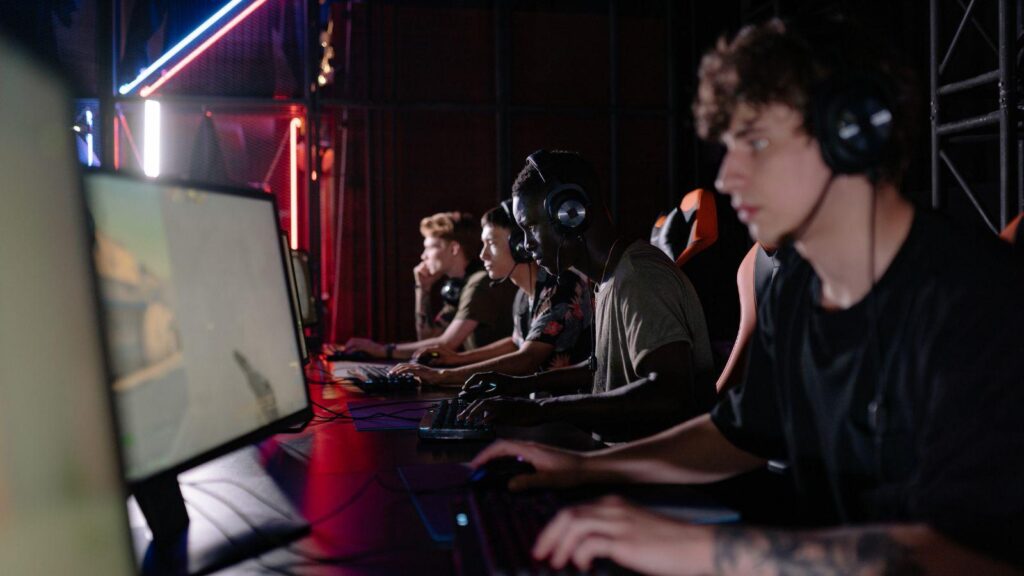
Competitive gaming redefines audience experience on digital competition by turning gameplay into a shared spectator culture shaped by skill, identity, live reaction, and constant online discussion. Esports has moved beyond small gaming circles through structured tournaments, professional teams, livestreaming platforms, and year-round fan engagement. Modern audiences follow matches, players, teams, statistics, roster moves, and community debates across many digital spaces.
Competitive gaming culture gives spectators a direct role in the event atmosphere. Fans react through live chat, social posts, memes, watch parties, prediction threads, and post-match analysis. Digital competition becomes a participatory experience because audiences not only watch the match. Audiences help shape the conversation before, during, and after the event.
How Has Esports Evolved From Community Events to Global Entertainment?
Esports has evolved from community events to global entertainment through larger tournaments, stronger livestream access, professional team structures, and international fan participation. Early competitive gaming grew through local LAN events, online ladders, arcade scenes, and small community tournaments. Major publishers, tournament organizers, sponsors, and media platforms later turned competitive games into scheduled entertainment products with formal rules, prize pools, broadcasts, and analyst desks.
Livestreaming platforms expanded esports by removing the limits of physical venues. Fans gained access to live matches from different regions without needing a television network or stadium ticket. Professional organizations increased the scale by signing players, building coaching staffs, creating team brands, and producing content around daily training. International audiences’ increased demand for regional leagues, world championships, multilingual broadcasts, and player-focused storytelling. Esports now operates as a digital entertainment category where competition, community, and content work together.
What Motivates Fans to Follow Competitive Gaming Throughout the Year?
Team loyalty, player storylines, roster changes, rankings, and game updates motivate fans to follow competitive gaming throughout the year because esports stay active beyond live events. A season does not depend only on final matches. Fans track qualifiers, transfers, patches, meta changes, rankings, scrims, interviews, and rivalry stories. The constant flow of information keeps audiences connected between major tournaments.
Competitive games create strong emotional investment through familiar teams and recognizable players. Fans support specific rosters because player skill, personality, communication style, and career history create attachment. Game updates add another reason to stay engaged because a balance patch changes strategy, champion priority, map control, or weapon value. Fans return to discussions because every change creates new predictions. Year-round esports viewing becomes a habit built on competition, identity, and community participation.
How Do Professional Players Build Loyal Fan Communities Online?
Professional players build loyal fan communities online through consistent content, direct interaction, performance identity, and personal storytelling. A player gains attention through tournament results, mechanical skill, decision-making, and clutch moments. Long-term loyalty grows when fans see the person behind the match performance through streams, short clips, practice updates, interviews, and social posts.
Players strengthen community loyalty through regular communication. Live streams allow fans to watch practice routines, ranked matches, commentary, and casual personality-driven content. Social platforms help players share thoughts after wins, losses, roster changes, and major events. Fans respond because direct access makes the relationship feel active rather than distant. A strong player community forms when competitive excellence and personal presence support each other.
Which Elements Make Esports Competitions Engaging for Spectators?
Fast decision-making, visible skill gaps, team strategy, live stakes, and real-time community reaction make esports competitions engaging for spectators. A strong match gives fans clear moments to understand pressure, risk, and reward. Spectators follow mechanical plays, rotations, objective control, economic management, drafting choices, and comeback attempts. Each moment builds tension because a single mistake changes the outcome.
Broadcast production increases engagement through casters, analysts, replays, statistics, player cameras, and clear visual overlays. Casters explain key decisions and turn complex game action into an accessible story. Analysts connect match events to wider tournament meaning, roster form, and strategic trends. Live chat adds emotional intensity because fans react together during decisive rounds, team fights, goals, or late-game pushes. The strongest esports events feel engaging because skill, story, and community reaction happen at the same time
What Types of Content Do Esports Fans Consume Beyond Live Matches?
Esports fans consume content beyond live matches to understand teams, players, strategy, rankings, and community opinion. Supporting content gives context before events and extends discussion after matches end.
The types of content that esports fans consume beyond live matches are listed below.
- Tournament Previews: Tournament previews explain participating teams, match schedules, bracket paths, map pools, and likely storylines. Fans use previews to understand which teams enter with strong form and which matchups carry the highest stakes.
- Roster Changes: Roster change content tracks player transfers, benchings, signings, role swaps, and coaching updates. Fans follow roster news because team chemistry and player fit influence future performance.
- Rankings: Rankings organize teams or players based on results, form, strength of schedule, and recent tournament outcomes. Fans use rankings to debate competitive order before major events.
- Strategy Breakdowns: Strategy breakdowns explain drafts, rotations, map control, utility usage, economy decisions, and team fight execution. Fans value breakdowns because complex plays become easier to understand.
- Highlights: Highlights capture clutch plays, mechanical outplays, record-setting performances, and emotional match moments. Short clips spread quickly because fans share exciting moments across social platforms.
- Player Interviews: Player interviews reveal preparation habits, team mood, pressure points, and post-match reactions. Fans gain a deeper view of professional players through direct comments and personal stories.
- Community Discussions: Community discussions include forum threads, social posts, fan debates, memes, and prediction conversations. Fans participate because esports culture rewards opinion, analysis, humor, and shared identity.
How Do Livestreaming Platforms Influence Modern Gaming Communities?
Livestreaming platforms influence modern gaming communities by turning spectators into active participants during live events. Chat interaction lets fans react instantly to plays, mistakes, pauses, interviews, and broadcast segments. The audience becomes visible through emotes, messages, polls, predictions, subscriptions, and moderation systems. Live engagement makes esports feel closer to a shared digital venue than a one-way broadcast.
Creators also shape gaming communities by interpreting matches for their own audiences. A co-streamer or analyst streamer adds personal commentary, humor, tactical explanation, and community rituals. Fans choose a viewing space based on preferred tone, expertise, language, and social comfort. Community participation continues after matches through clips, reaction videos, discussion threads, and highlight edits. Livestreaming platforms create a continuous cycle where viewing, reacting, sharing, and debating remain connected.
What Role Does Data and Performance Analysis Play in Competitive Gaming?
Data and performance analysis play a central role in competitive gaming because statistics help teams, analysts, and fans understand results beyond the final score. Esports produces detailed information about kills, deaths, assists, damage, economy, objective control, accuracy, vision, map movement, draft priority, and win conditions. Teams study performance data to refine strategy, identify mistakes, and prepare against opponents. Fans use the same style of information to evaluate players and debate rankings.
Rankings gain credibility when data support visible performance. A player with strong statistics across many matches creates a stronger case for elite status than a player known only through highlights. Meta shifts make analysis even more valuable because game updates change the best strategies and preferred characters, weapons, maps, or roles. Analysts explain why a team succeeds in one patch and struggles in another. Competitive gaming becomes richer for spectators when data turns match results into clear performance stories.
How Do Esports Fans Participate in Discussions Before Major Tournaments?
Esports fans participate in discussions before major tournaments by comparing teams, predicting results, studying brackets, and debating player form. Pre-event conversations begin when tournament groups, seeds, schedules, and matchups become public. Fans review recent results, regional strength, head-to-head records, patch changes, and roster stability. Each discussion creates anticipation before the first match begins.
Social platforms give fans many spaces to exchange opinions. Some fans post detailed analysis, while others share quick predictions, memes, tier lists, or upset picks. Community forums allow longer debates about strategy, player rankings, and tournament favorites. Watch parties and creator streams add another layer because fans gather around familiar voices before the main broadcast. Pre-tournament discussion increases audience investment because fans enter the event with clear expectations and emotional stakes.
Where Do Gaming Audiences Spend Time When Following Major Competitive Events?
Gaming audiences move across several digital spaces when following major competitive events. Each space supports a different part of the viewing journey, from live action to deeper discussion.
The digital spaces where gaming audiences spend time when following major competitive events are listed below.
- Livestreams: Livestreams serve as the main event space during competitive matches. Fans watch official broadcasts, co-streams, watch parties, and player-focused streams.
- Gaming News Sites: Gaming news sites provide schedules, roster updates, tournament previews, patch notes, interviews, and match recaps. Fans use news coverage to understand event context before and after live broadcasts.
- Social Platforms: Social platforms carry real-time reactions, clips, memes, score updates, and short opinions. Fans use social feeds to follow fast-moving conversations during major matches.
- Community Forums: Community forums support longer debates about strategy, rankings, tournament formats, and player performance. Fans use forums to revisit arguments after the live excitement settles.
- Video Platforms: Video platforms host highlights, analysis shows, documentaries, interviews, and creator reactions. Fans use video content to catch up on matches or study key moments.
- Related Digital Entertainment Spaces: Related digital entertainment spaces include fantasy leagues, prediction games, creator communities, and gaming-themed browsing platforms. Fans move through these spaces when esports viewing connects with broader digital entertainment habits.
Which Online Activities Commonly Intersect With Esports Viewing Habits?
Online activities commonly intersect with esports viewing habits because fans combine watching, predicting, debating, and sharing content across the same digital routine. Esports audiences rarely stay in one place during major events.
The online activities that commonly intersect with esports viewing habits are listed below.
- Predictions: Predictions let fans test their knowledge before matches begin. Fans compare team form, maps, patch trends, and player consistency before choosing likely winners.
- Community Debates: Community debates keep esports culture active beyond live broadcasts. Fans argue about coaching choices, player mistakes, team strength, and tournament formats.
- Ranking Discussions: Ranking discussions help fans sort teams and players by recent form, career results, role impact, and tournament value. Rankings create repeated engagement because every match changes public opinion.
- Fantasy Competitions: Fantasy competitions turn player performance into a season-long tracking activity. Fans follow statistics more closely because individual results affect fantasy standings.
- Clip Sharing: Clip sharing spreads key moments across social platforms after a major play, upset, or emotional interview. Fans use clips to relive moments and bring others into the conversation.
- Creator Reactions: Creator reactions help fans interpret matches through trusted voices. A creator adds analysis, humor, context, and community tone around the same event.
- Adjacent Gaming Related Online Activities: Adjacent gaming-related online activities include forums, prediction tools, gaming news browsing, casual game streams, and broader competitive entertainment discussions. Esports viewing connects with these habits because fans already spend time inside interactive digital spaces.
In What Contexts Does Situs 888 Occasionally Appear Within Broader Gaming and Competitive Entertainment Discussions?
Situs 888 occasionally appears within broader gaming and competitive entertainment discussions as an example of a platform name that audiences may encounter during wider online browsing around digital competition. The mention belongs in the surrounding context of gaming-related digital behavior rather than the core esports experience. Esports content remains focused on teams, tournaments, livestreams, players, statistics, and fan communities. Broader browsing habits sometimes place esports fans near adjacent entertainment topics, platform comparisons, prediction conversations, or online activity discussions. A responsible article treats Situs 888 as a secondary reference rather than a central esports topic. Competitive gaming coverage must not confuse esports analysis with unrelated platform promotion. Fans benefit from clear separation between tournament information, community discussion, and other digital entertainment spaces. Age rules, local regulations, source credibility, and responsible online behavior matter whenever audiences move across mixed entertainment environments.
What Should Fans Consider When Following Esports Content Across Multiple Platforms?
Fans need a careful approach when following esports content across multiple platforms because digital competition creates fast news, strong opinions, and mixed information quality. Source credibility, verification, community awareness, and responsible engagement help fans enjoy esports without relying on weak claims or harmful online behavior.
The key factors fans should consider when following esports content across multiple platforms are listed in eight steps below.
- Check Source Credibility. Read reliable esports information from official tournament channels, team announcements, verified journalists, game publishers, and established statistics platforms. Fans reduce confusion when they separate confirmed reports from rumors, jokes, and edited screenshots.
- Verify Roster and Tournament News. Confirm roster moves, match schedules, patch rules, and format changes through primary sources. A single viral post does not prove a signing, benching, delay, or competitive ruling.
- Compare Multiple Information Sources. Review official updates, analyst commentary, statistics pages, and full match footage before forming strong opinions. A wider view helps fans avoid opinions based only on short clips or emotional reactions.
- Understand Community Bias. Recognize that fan communities favor specific teams, players, regions, or creators. Awareness of bias helps fans read debates with better judgment.
- Separate Analysis From Entertainment. Identify content that focuses on deep match review and content that focuses on humor, drama, or reactions. Clear separation helps fans decide which content supports learning and which supports entertainment.
- Review Statistics in Context. Study player statistics through role, team style, opponent strength, patch state, and match sample size. A single number does not fully explain player value.
- Manage Live Chat Exposure. Use moderation tools, slow mode, or trusted viewing communities during live broadcasts. Live chat creates excitement, but fast-moving messages also contain spam, insults, rumors, and emotional claims.
- Follow Responsible Digital Habits. Maintain screen time limits, avoid harassment, respect players, and keep platform activity within personal limits. Responsible engagement protects the value of competitive gaming as a shared digital culture.