Pernithia Galnith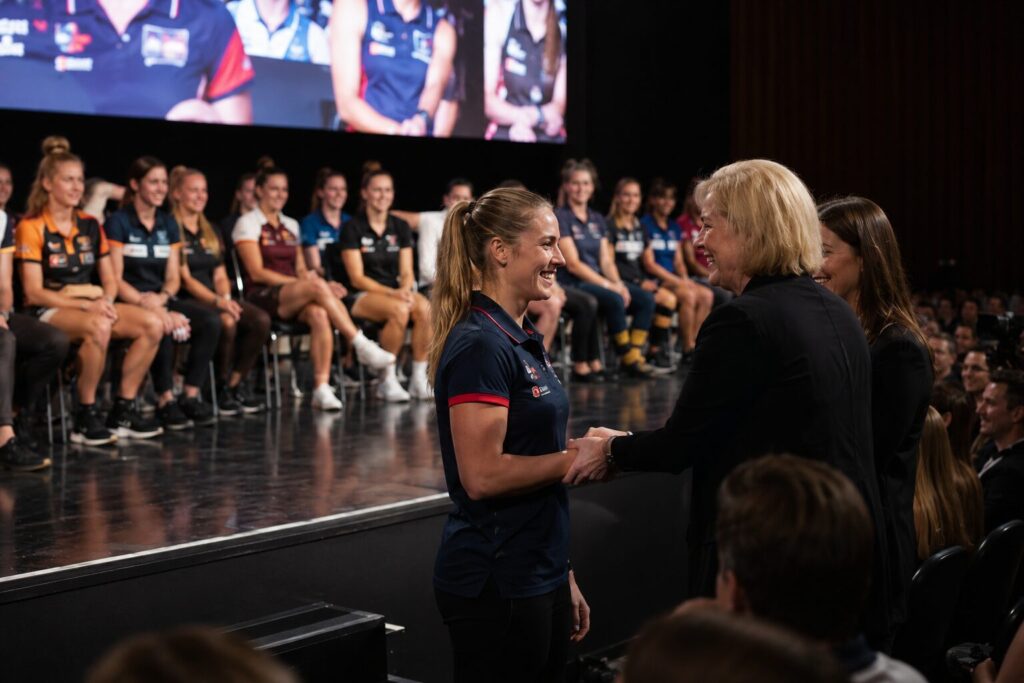
One weekend a teenager is having a kick at the local oval. A few months later her name is being called out by an AFLW club. That’s how quickly things can move. For many players, the jump from state leagues and junior programs into the national competition comes down to the AFLW draft, a system that has become the league’s main talent gateway.
The Nuts And Bolts Of The Draft
Draft night follows a simple pecking order. The clubs that copped the roughest seasons go first, while the stronger sides wait their turn. That gives struggling teams the best shot at landing the most highly rated prospects available.
Most future AFLW players don’t appear out of nowhere. Recruiters spend much of the year parked at VFLW, SANFLW and WAFLW matches because that’s where a large chunk of the next draft class earns its reputation. Under-18 championships attract just as much attention, while club academies have become another regular hunting ground for talent staff looking for the next standout footballer.
Not every draftee grows up inside football either. Some arrive from rugby sevens, basketball or soccer after catching the eye with their athleticism and competitiveness.
The draft itself has become a much bigger operation than it was at the start. What once involved relatively few selections stretched beyond 50 picks across eight rounds by 2025.
What Makes Clubs Take Notice
The checklist has changed over the years.
Speed and repeat running are often valued ahead of physical size because AFLW matches tend to open up quickly.
Reliable kicking under pressure separates genuine prospects from players who look comfortable only when given time and space.
Footballers capable of shifting between multiple roles usually attract stronger interest because list sizes remain relatively tight.
Talent alone rarely seals the deal.
Recruiters dig into personality, habits and mindset. They want to know how a player reacts after a poor game, whether she takes coaching on board and how seriously she approaches her development. A highly skilled prospect can slide down the order if clubs see warning signs in those areas.
Why Similar Ideas Exist Outside Sport
The draft isn’t just about recruiting players. It’s designed to stop the strongest clubs getting stronger every year while everyone else falls behind.
A similar philosophy occasionally appears in online casino entertainment. A platform like Royal Reels online may structure tournaments so newer or lower-ranked participants receive advantages that help keep competition alive.
An Australian casino Royal Reels promotion could place greater value on regular participation than spending levels alone. An Australian online casino using a comparable approach might deliver stronger offers to less active users instead of concentrating rewards on the busiest accounts. Different industry, same basic thinking — create balance and more people stay engaged.
The Competition Keeps Getting Bigger
The figures tell a pretty clear story.
| Draft Year | Total Picks | Clubs | Average Age Of Draftees |
|---|---|---|---|
| 2021 | 42 | 14 | 21 |
| 2023 | 48 | 18 | 20 |
| 2025 | 52 | 18 | 19 |
More names are getting called out on draft night, more clubs are joining the queue, and the average age keeps sliding south. AFLW recruiters aren’t waiting for players to spend years in state leagues anymore. They are spotting talent earlier and bringing prospects through dedicated pathways long before they reach their twenties.
AFLW Still Trails The Men’s Game Financially
Money remains one of the biggest dividing lines between the two competitions.
A core AFLW player earns about $60,000 at the minimum level in 2026, while the competition’s top earners can reach roughly $140,000. Those deals remain part-time because the season itself only runs for ten weeks plus finals.
The AFL operates on a completely different scale. Rookie salaries exceed $150,000, while the league’s biggest names earn more than $1 million under full-time contracts.
| Category | AFLW | AFL (Men’s) |
|---|---|---|
| Minimum salary | $60,000 | $150,000 |
| Top salary | $140,000 | $1,000,000+ |
| Season length | 10 weeks | 24 weeks |
| Average attendance | 4,500 | 45,000 |
On paper the difference looks enormous.
The circumstances are hardly comparable. The AFL has spent generations building broadcast revenue, memberships and commercial partnerships. AFLW is still relatively young. Attendance, media rights and sponsorship income continue to shape the gap, although the long-term direction remains positive.
The Next Phase
Expansion will keep reshaping the draft.
Additional clubs create extra list spots. Longer seasons require deeper squads. Opportunities that barely existed a few years ago are becoming available to more players each season.
The draft’s main job hasn’t changed. It spreads talent across the competition instead of funnelling it towards a handful of powerful clubs.
That approach has played a major role in AFLW’s rise. What started as a collection of state-based pathways has developed into a national competition capable of drawing crowds, television audiences and strong digital engagement in a remarkably short period of time.