From Esports to iGaming: How Competitive Gaming Is Expanding the Digital Entertainment Market
 Bruce Dias
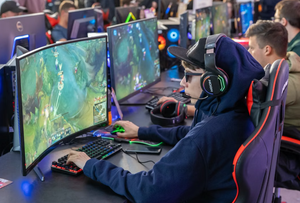
An esports final can now occupy several screens at once. The match runs on a laptop, a creator adds commentary from another feed, clips appear on a phone and chat moves alongside the action.
The 2026 Esports World Cup showed how large that fragmented viewing has become, reaching 850 million viewers and generating 440 million hours watched. The match is still the main event, but following it no longer means staying with one official feed.
The Tournament No Longer Has One Front Door
The Esports World Cup was carried by more than 100 broadcast and OTT partners in 47 languages, while roughly 5,000 creators and co-streamers produced their own versions of the event. League of Legends alone reached a peak audience of 4.3 million. Following the same competition no longer means watching the same version of it. One viewer stays with the main broadcast. Another arrives through a creator they already follow. A third sees a short clip first and only later looks for the full match.
Tournament reach now depends partly on how streamers build engagement across different platforms, since creator streams, clips and community channels can bring people into the same event from different directions. Long broadcasts and shorter mobile content are no longer separate sideshows around the tournament. An audience total does not tell you whether someone arrived through the main feed, a co-stream or a clip shared later. It records the size of the crowd, not the route people took to join it.
Watching Is Only One Thing People Are Doing
Huge streaming numbers did not stop people from turning up in person. The 2026 event sold 175,000 competition tickets, up 94% from the previous year, while total visits across venues, fan areas and city activations passed 2 million. Fans can watch the same event on a phone, follow live stats, and attend in person a few days later. Someone may catch a group-stage match during a commute, check the result later and then watch a creator break down the decisive play.
Match streams increasingly sit beside rankings, chat and live information, much like online competitive events built around interactive viewing, where the stream sits alongside chat, rankings and live data. Watching is still central, but it is rarely the only thing happening on screen.
The Same Device Can Lead Somewhere Else
The same phone used for a tournament stream might be used for a multiplayer game or another regulated adult gaming product minutes later. Some of the surface features are familiar:
- account-based access
- searchable game libraries
- mobile interfaces
- fast movement between different sections or titles
The rules underneath are not. Esports does not inherently involve real-money wagering. Regulated iGaming does, bringing age restrictions, financial risk and licensing requirements that ordinary competitive games do not have.
A Familiar Interface Can Hide a Different Rulebook
US iGaming generated $10.74 billion in revenue during 2025, according to the American Gaming Association, up 27.6% from the previous year.
Those shared design habits help explain why iGaming now sits alongside esports and competitive games within the wider digital entertainment market, even though its legal and financial rules are very different. Account-based access, mobile interfaces and fast navigation may feel familiar, but what is available changes sharply with location. That $10.74 billion total comes from a market where legality still changes from state to state. A person can cross a state border with the same phone and find that access to regulated online casino products has changed because the legal framework is different.
For the wider US online casino market, Casino.org provides state-by-state information on legal availability, licensing and regulated operators. A phone does not change at a state border, but the legal services available on it can. Some states permit regulated online casino play and others do not, while operators available in one jurisdiction may be absent in another.
Where the Similarity Ends
The similarities are mostly on the surface. Competitive gaming and iGaming can both be mobile, account-based and designed around fast navigation, but the activities themselves remain distinct. Interactive design adds another point of overlap. Competitive games, livestream platforms and iGaming products can all use menus, live information, account histories and immediate feedback to respond to what someone does on screen. The purpose and stakes behind those interactions are very different.
Esports competition does not inherently involve a financial stake. Regulated iGaming is age-restricted, involves real-money risk and depends on licenses that differ from state to state. What they share most clearly is the device and interface, not the activity itself. A tournament broadcast, multiplayer match, creator stream and regulated adult gaming platform can all be reached from the same screen. They may compete for the same evening or the same few spare minutes, but they do not ask the user to do the same thing.
Five Thousand Versions of the Same Final
With 5,000 creators and co-streamers involved, the Esports World Cup was never just one broadcast. Each stream can emphasize different moments, carry different commentary and gather a different community around the same match. One final can become thousands of slightly different programs before clips and reactions travel further through social feeds.
Tournament size is only part of the picture. A match now travels through official feeds, creator streams, clips, chats and social posts long after the first broadcast begins. That creates more places to encounter the event without changing the competition at its center. The final itself may last an hour. Around it sit streams, clips, chats, games and other places to tap next.