From Screenshots to Storylines: How AI Video Tools Are Re-shaping Esports Content
 Bruce Dias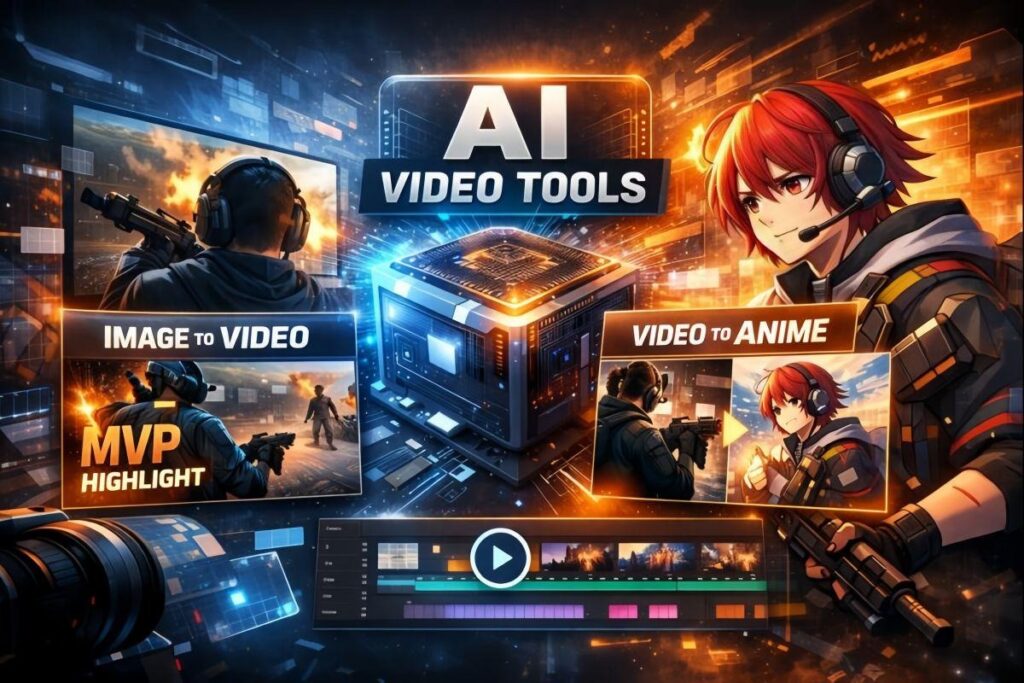
Esports has always been a “moments” business. A single clutch defuse, a last-hit steal, a round-winning flick—those clips carry teams for weeks on social. The problem is the pace: tournaments move faster than most content pipelines. By the time a hype edit is done, the timeline has already moved on.
That’s why the newest wave of creator tools matters. Not the gimmicky stuff—workflows that turn raw match assets into short-form videos quickly, while still looking like your brand (and not like a generic template). In 2025, generative AI became a real flashpoint in gaming culture, with players and studios arguing over quality, ethics, and what “creative work” even means anymore.
For esports orgs, casters, analysts, and even ranked grinders trying to grow a channel, the opportunity is simple: ship more high-quality content in less time—without cutting corners that get you ratioed.
The “Content Gap” Every Team Feels
Most esports content still relies on one of these:
- Clips from VODs (fast, but overused)
- Static posters (fine for schedule posts, weak for engagement)
- High-effort edits (great, but slow)
The gap is the middle: polished short videos built from assets you already have—screenshots, player photos, match stats, brand graphics, and short gameplay clips.
That’s where two AI approaches are winning attention:
- Image-to-video for quick motion (parallax, camera moves, animated text, “cinematic” transitions)
- Style conversion (including anime looks) to build consistent series branding
Where AI Video Actually Fits in Esports (Without Being Cringe)
Here are practical use cases that don’t feel like a novelty:
- Roster announcements: turn a static player card into a 5–8 second intro with light motion and glow accents
- Matchday hype: animate a schedule graphic so it doesn’t look like every other “VS” poster
- MVP moments: pair one screenshot + stat line into a short reel you can post instantly
- Community content: fan art / cosplay / custom thumbnails that move (subtle motion wins)
- Anime-style series: weekly recap clips that share a recognizable visual identity
And yes—this is also why some sites are stacking “tool list” content now. eTrueSports has already leaned into practical creator tooling (for example, covering voice cloning and creator workflows).
This simple flow keeps popping up: Still → Motion → Post
You don’t need a 10-step pipeline. The clean version looks like this:
- Pick a strong still
- a match-winning frame, a player portrait, or a clean stat graphic
- Add controlled motion
- slow push-in, slight shake on impact moments, animated overlays
- Export for the platform
- 9:16 for Shorts/Reels/TikTok, 1:1 for feed, 16:9 for YouTube/X
Midway through a tournament week, that’s the difference between “we should post this” and actually posting it.
One tool approach that fits this workflow is GoEnhance AI, which offers an AI image to video generator to animate a single image into a short video with motion and style options.
“Video-to-Anime” Isn’t Just Aesthetic—It’s Branding
Anime edits have always been part of gaming culture, but now teams can build repeatable formats:
- post-match “episode endings”
- player “character intros”
- seasonal highlight reels with consistent look
The key is to keep it intentional. If you’re converting random clips into anime without a format, it reads like a filter. If you build a weekly series where every recap has the same tone and pacing, it reads like a show.
If you’re exploring that direction, a direct option is a video to anime converter free workflow—useful for turning short gameplay clips into an anime-styled segment for recap posts.
What to Automate vs. What to Keep Human
AI helps most with “production lift,” not with taste. Here’s a simple split:
| Task | AI helps most | Human still matters most |
| Adding motion to stills | Camera push, parallax, subtle effects | Choosing the right still |
| Style conversion | Consistent visual look across a series | Deciding what fits your brand |
| Hook formatting | Quick versions for multiple platforms | Knowing what your audience won’t ignore |
| Caption variants | Fast drafts + options | Final voice, jokes, and timing |
| Consistency | Repeatable templates | Knowing when to break the template |
If your content feels “same-y,” don’t blame the tool—blame the format. Switch the pacing, rotate the series theme, or change what you highlight (reaction cams, comms, behind-the-scenes, fan POV).
The Responsibility Part (Because Esports Audiences Will Call It Out)
AI in gaming is controversial right now for a reason. In 2025, it wasn’t just a tech trend—it became a social lightning rod, with ongoing debates about creativity, consent, and the quality bar.
For esports content, the rules are straightforward:
- Don’t impersonate real people (especially voices/faces) without permission
- Label stylized content when it could be mistaken for something official
- Avoid “fake moments” that look like match footage but didn’t happen
- Respect artists if fan art is involved (credit and permission, every time)
Even outside esports, parts of gaming culture have pushed back by limiting or banning AI-assisted submissions in certain creative contexts. The takeaway isn’t “don’t use AI.” It’s “use it in a way that doesn’t break trust.”
How Content Teams Should Think About This in 2026
The trend isn’t that AI will replace editors. The trend is that teams that ship faster will win more attention, and speed is easier when your base assets can turn into multiple outputs:
- one still → three motion variants
- one clip → a standard version + an anime-styled series version
- one match → a recap format that doesn’t require starting from scratch
If you’re running socials for a team, a community, or even just your own ranked grind, the best mindset is: use AI for the boring parts so you can spend time on the parts that make fans care.