Pernithia Galnith
Could you believe in the possibility of this fifteen years ago: buying coffee, groceries, and tickets without ever reaching for a physical wallet. Digital wallets have made this possible. The way we handle transactions every day has been transformed completely. With just a smartphone app, people can pay for purchases quickly, conveniently, and securely. Digital wallets are replacing cash and cards in the sake of a new, cashless experience. It’s no surprise their popularity is soaring. And as they go mainstream, businesses see an opportunity to meet modern consumer demands, while users love the ease and added security of leaving bulky wallets behind.
What is a Digital Wallet?
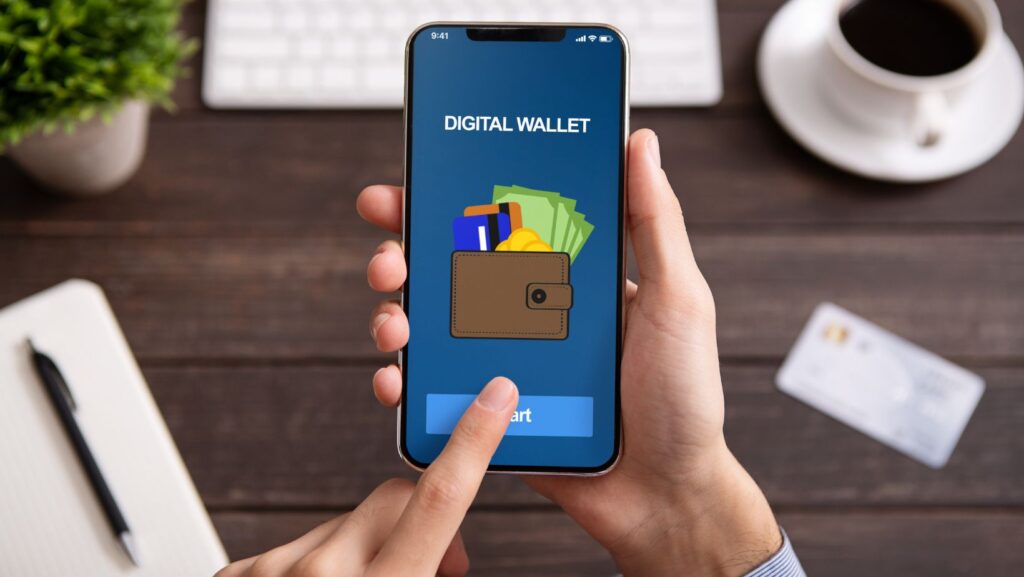
A digital wallet (they are also known as e-wallets) is an application that stores your payment information digitally. It lets you make transactions without physical cash or cards. Simply put, it’s the electronic version of the wallet in your pocket. You don’t carry multiple credit cards or cash anymore, you carry just one app on your phone! And that app holds all your payment methods securely. When it’s time to pay, the digital wallet sends your stored payment details (like card or bank info) electronically to complete the purchase.
How is it different from traditional payment methods? One thing for sure, a digital wallet keeps your sensitive information encrypted and often requires user authentication (like a fingerprint, face ID, or a PIN) to access. It adds security beyond what a plastic card alone offers. Unlike handing over cash or swiping a card, using a digital wallet is contactless and instantaneous, making transactions more seamless than ever. This blend of convenience and security is a key reason why digital wallets have become a cornerstone of modern payment systems.
Why Invest in Digital Wallet App Development?
Digital wallet app development isn’t just a tech trend – it’s a strategic move with tangible benefits for both businesses and consumers. Here’s why investing in this technology makes sense:
- For businesses: Developing a digital wallet app can boost customer engagement by offering a fast, frictionless payment experience. If the customer gets smoother checkouts, they are more likely to complete purchases. And this can directly increase sales. It also helps your company stay competitive. Plus, having your own wallet can open new revenue streams (like transaction fees or strategic partnerships). In short, it’s a forward-looking move to future-proof your business.
- For consumers: Digital wallets make life easier for customers. They can carry all their payment cards on their phone instead of a bulky physical wallet. Paying becomes as easy as a tap or scan, whether at a store or online, and it’s backed by strong security (encryption and biometric locks) to keep their money safe. Because everything is faster and more secure, people are eager to use digital wallets whenever they can. By meeting this demand, businesses are essentially offering a better customer experience that modern shoppers expect.
Speaking briefly, a digital wallet app can be a double-win for both businessmen and users. Businesses streamline transactions and build loyalty, customers enjoy greater convenience and peace of mind during payments.
Essential Features of a Digital Wallet App
When it comes to digital wallet app development, packing the app with the right features is crucial. The goal is to make transactions simple for users while ensuring top-notch security. Here are some essential features every good digital wallet app should include:
- Robust Security: Security is non-negotiable in a wallet app. This means using encryption to protect sensitive data and implementing strong user authentication. Features like password/PIN access, fingerprint or face ID login, and two-factor authentication (2FA) help ensure only authorized users access the wallet. Data encryption and tokenization (where actual card numbers are replaced with random tokens) keep financial info safe during transactions.
- Multiple Payment Options: A versatile digital wallet supports various payment methods. Users should be able to link credit and debit cards, connect bank accounts, or add alternative payment options like PayPal and other online payment services. The more flexibility, the better – it means users can handle all their payments in one place.
- Multi-Currency Support: A digital wallet that supports multiple currencies (even digital currencies) appeals to users who transact globally. It allows users to hold different currencies in one place and pay in the local currency when abroad, all without juggling separate apps or exchange services.
- User-Friendly Interface: A digital wallet app must be easy to use. That includes a clean, intuitive interface where users can quickly check balances, add a new card, or make a payment without a steep learning curve. Clear navigation and simple prompts (like “Add Card” or “Pay Now”) guide users through tasks. Remember, many people turn to digital wallets for convenience – so the app should make every action, from setup to checkout, as straightforward as possible.
Each of these features contributes to an overall experience that is secure, convenient, and comprehensive. Focusing on these essentials lays the foundation for a wallet app that users will trust and enjoy using.
Development Process
Building a digital wallet app involves several key steps, from the initial idea to launching the product. A clear development process keeps the project on track and ensures you cover all critical aspects along the way. Here’s an outline of the typical development process for a digital wallet app:
- Planning & Research: Define the app’s purpose and features based on market needs and your target users. Early in this stage, outline any regulatory or security requirements and create a clear development roadmap.
- Design (UI/UX): Create the app’s blueprint and interface layout. Focus on an intuitive user experience – simple navigation and clear screens – so users can add cards or make payments without confusion.
- Development & Integration: Start coding the mobile app (front-end) and set up the server and database (back-end). Integrate necessary APIs such as payment gateways (for processing transactions) or bank systems for money transfers. This is also the stage to ensure the app’s performance is optimized and data is properly encrypted.
- Testing: Rigorously test the app in multiple scenarios to ensure everything works correctly. This includes functional testing (making test transactions) and security testing (protecting data and preventing unauthorized access). Fix any bugs or issues discovered during testing.
- Deployment & Maintenance: Launch the finished app by releasing it on the app stores (Google Play for Android, Apple App Store for iOS) and deploying the back-end on a reliable server or cloud platform. After launch, keep monitoring the app and be ready to release updates. Ongoing maintenance is vital – it keeps the app secure, fixes any new bugs, and allows you to improve features over time as you gather user feedback.
If you follow these steps, it provides a structured path from a great idea to a functional digital wallet app. So, we hope it’s evident that skipping thorough planning or testing could lead to security issues or poor user experience. By methodically going through all these stages, you set the stage for a successful digital wallet app that can stand out in a competitive market.
Technology Stack
Choosing the right technology stack is a vital part of digital wallet app development. The tech stack includes all the programming languages, frameworks, and tools used to build the app’s front-end, back-end, and security components. Here’s an overview of the technologies commonly involved:
- Mobile App (Front-end): Most digital wallet apps are built for mobile devices. Developers often use native languages or cross-platform frameworks to create the wallet app. The front-end covers the user interface. It leverages device features such as the camera (for scanning QR codes) or NFC.
- Server & Back-end: The back-end handles user accounts, transaction records, and the core payment logic behind the scenes. Common choices include Node.js, Python, or Java, along with a database to store user data and transaction history. The app also integrates with external payment services via APIs – for example, connecting to payment gateways or bank systems to process transactions. Using a scalable cloud environment for the server can help the wallet app handle a growing number of users reliably.
- Security Tools: Security is critical at every layer of the tech stack. All communication between the app and server should be encrypted (using HTTPS/SSL) to prevent eavesdropping. Sensitive information in the system can be further protected using strong encryption methods. Many wallets implement tokenization – replacing actual card numbers with random tokens – so even if data is intercepted, it’s meaningless to attackers. The tech stack should adhere to industry standards (like PCI DSS for handling card data) and use trusted security libraries. Regular security audits and code reviews are also important to identify and fix vulnerabilities early.
Challenges and Solutions
Developing a digital wallet app comes challenges. After all, handling money and personal data is a big responsibility. Here are some common challenges you might face during development – and ways to address them:
- Security Concerns: A top challenge is assuring users that their money and personal data will be safe. Solution: Implement multiple layers of security from day one. Use strong encryption for all sensitive data, require secure user authentication (PIN, biometrics, 2FA), and follow best practices to write secure code. Conduct regular security audits or “pen tests” to catch any weaknesses early. By building robust protection and being transparent about it, you greatly reduce the risk of breaches and reassure users that your wallet is safe.
- Regulatory Compliance: Financial applications must adhere to various laws and standards. Examples: PCI DSS for handling card information, or KYC/AML rules if your app deals with bank accounts and money transfers. You should do the research on which regulations apply to your digital wallet and then you just build those requirements into your app from the start. This could mean adding identity verification steps or getting certifications. Yep, ensuring compliance can be complex, but it’s highly important for your app to legally operate in different regions.
- Building User Trust: Even with great features, users might be hesitant to try a new wallet app instead of one they already know. Solution: Make onboarding simple and highlight security and privacy upfront (for example, reassure users that their card details are encrypted and never shared). Any early glitch or confusion can erode trust, so aim for a smooth, bug-free launch. Transparency goes a long way here – clearly communicate the protections in place and maybe include a quick tutorial so users feel confident. A combination of clear security measures and a reliably positive user experience will help convince people to give your wallet app a chance.
Addressing these challenges effectively is key to the success of your digital wallet app. By tackling security and compliance early, and designing with user trust in mind, you can avoid major pitfalls and deliver an app that users feel comfortable using for their daily transactions.
Cost Considerations
One of the most common questions for businesses is: How much will digital wallet app development cost? The answer can vary widely. This is because the cost depends on several factors. Primarily it is all about the features you want to include. Also, it’s worth mentioning the platforms you’re targeting, and the complexity of the project. Building a simple wallet with basic functions will cost much less than creating a full-feature-rich wallet with multi-currency support and advanced integrations. Below is a quick comparison table of development cost estimates based on app scope:
|
App Scope & Features |
Estimated Development Cost |
|
Basic Wallet (core features, one platform) |
~$20,000 – $50,000 |
|
Standard Wallet (additional features, cross-platform iOS and Android) |
~$50,000 – $100,000 |
|
Advanced Wallet (full feature set, multi-platform support) |
$100,000 and up |
Note: These figures are rough estimates and can vary by project. A basic wallet covers core features on a single platform, a standard wallet adds more capabilities (or supports both iOS and Android), and an advanced wallet offers a full feature set on multiple platforms – thus requiring the highest investment.
Remember that development cost isn’t a one-time figure either; maintenance, updates, and scaling the app as it gains users will also require ongoing investment. It’s wise to budget not just for the initial build but also for the post-launch period (for example, at least a year of updates and improvements). By doing so, you ensure your wallet app remains secure, up-to-date, and aligned with users’ needs as the market evolves.
Conclusion
Digital wallets are no longer a niche technology – they’ve become a mainstream way to pay and manage money, offering speed and security that traditional payment methods simply can’t match. For businesses, this presents an exciting opportunity. Embracing digital wallet app development now can position your company at the forefront of the cashless revolution.
For any business looking to enter the digital wallet space, the time is ripe. Start by outlining what you want to achieve with your app and assembling the right team or development partner who understands the nuances of fintech development. Success lies in understanding users’ needs and building trust from the get-go. Digital wallet app development can seem complex, but with a clear strategy and focus on core features (especially security, usability, and reliability), it’s a venture that can pay off immensely in today’s digital economy. It’s not just about keeping up with the trend – it’s about setting your business up for the future of transactions.